Transitional Care
Also known as "Swing Bed"

Recover Faster. Closer to Home.
Transitional Care is for patients who are ready to be discharged from a traditional acute-care hospital but aren’t quite ready to go home. These patients still require additional skilled medical care, nursing care, or rehabilitation services. So, if you or your loved one has been in the hospital and is now ready to begin the journey to return home, consider Clarinda Regional Health Center’s (CRHC) Transitional Care Program! Our program is suitable for those recovering from surgery, stroke, or other illnesses. While most inpatients do not need to stay in the hospital for more than a few days, that is not always enough time for patients to fully recover from serious illness or injury to a point where they can safely return home. So, whether you had your hospital stay at CRHC or somewhere else, we would love to provide the care you need closer to home!
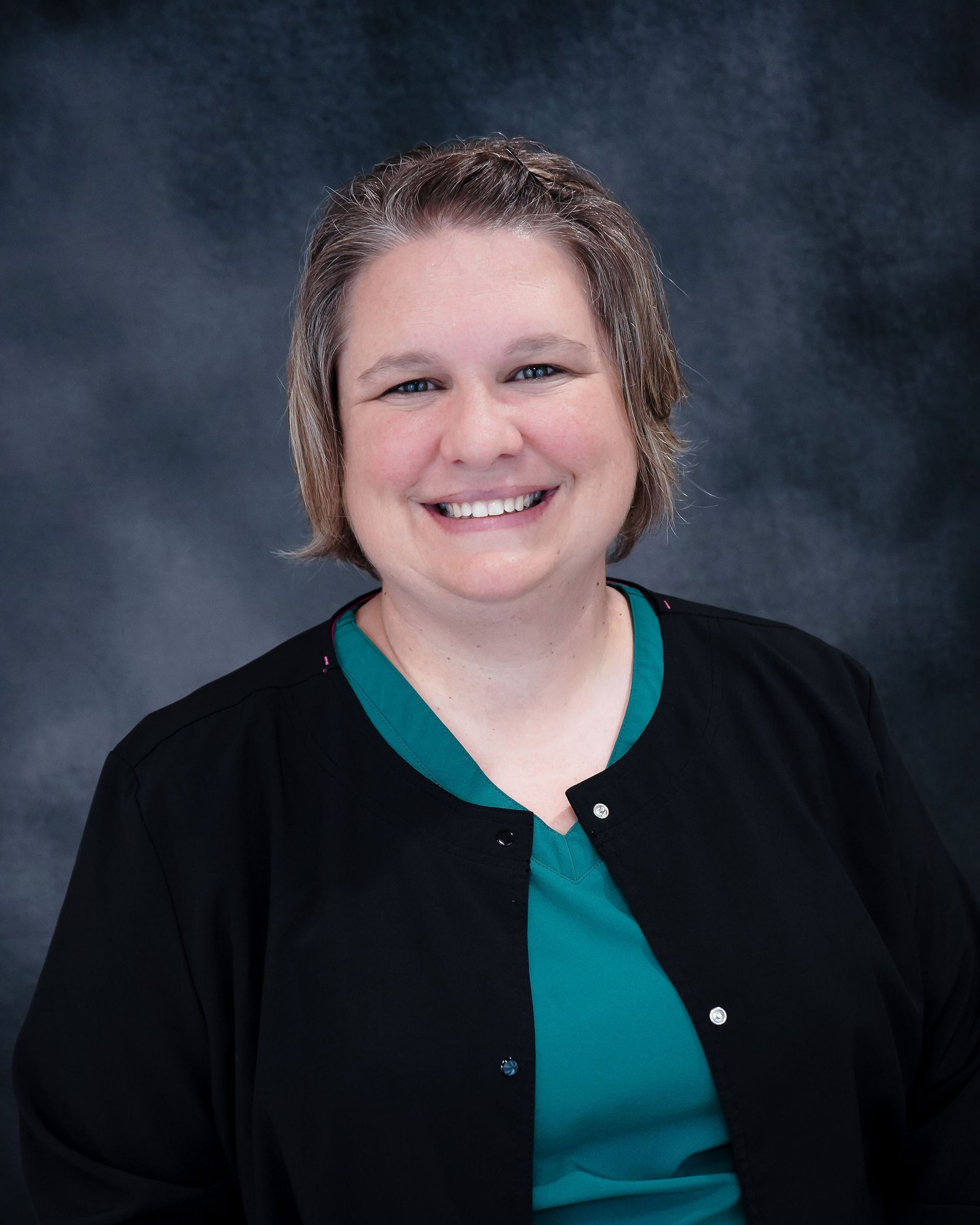
Meet Our Transitional Care Coordinator, Ryanne!
Ryanne, is CRHC's dedicated program coordinator, working exclusively with Transitional Care patients.
If you have any questions about our programs, referrals, our facility, or insurance questions, please reach out to her. She'd be happy to assist you in answering any questions you might have.
► Phone: (712) 542-8292
► Fax: (712) 542-8279
►
Email:
rshatava@clarindahealth.com
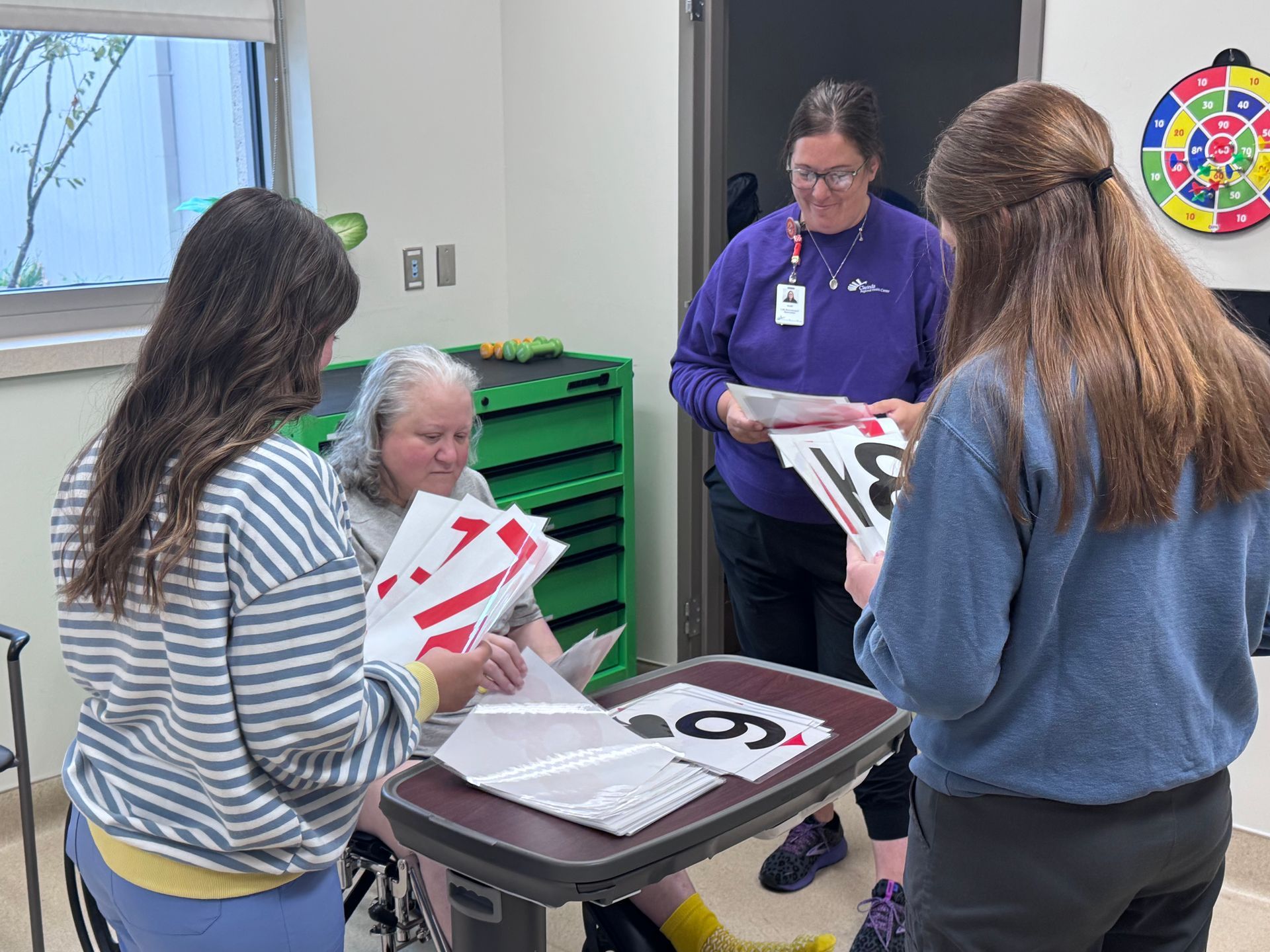
Our Transitional Care Program allows patients access to many amenities and services, like:
Our Team is equipped to care for patients with complex needs
- After Surgery: Cardiac, neuro, orthopedic, abdominal, and more
- Respiratory: Specialized treatment and support
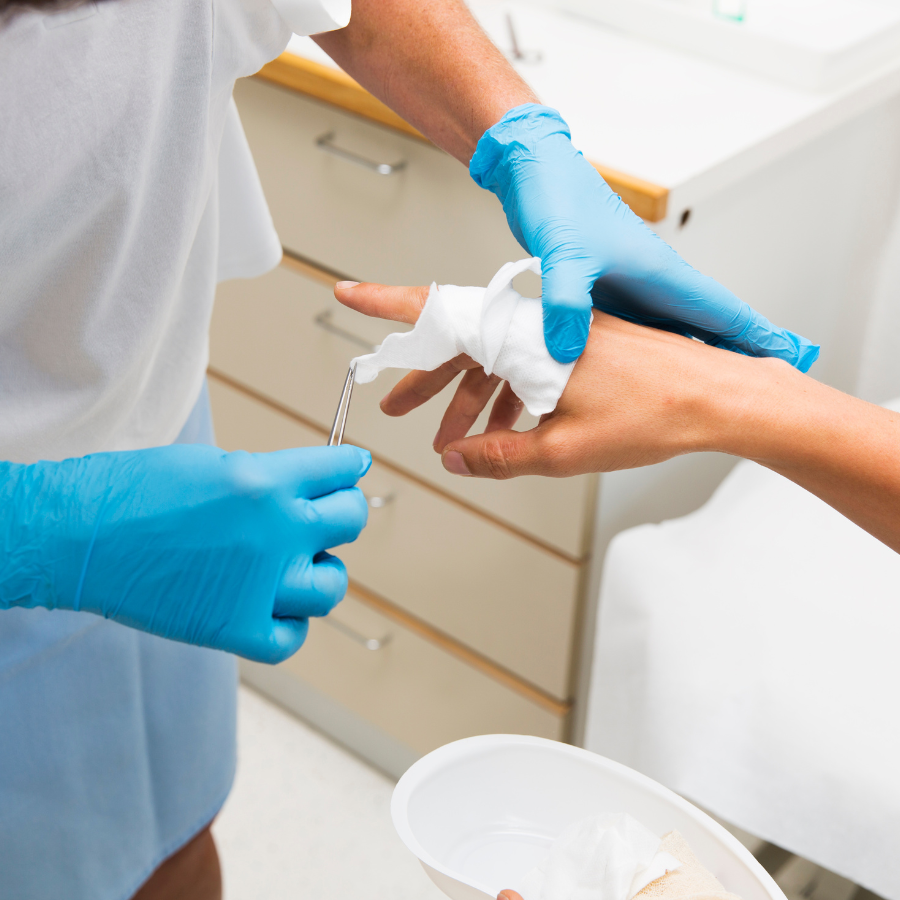
- Wound Care: Special attention for wound healing
- Intravenous (IV) Antibiotics: To treat a variety of infections
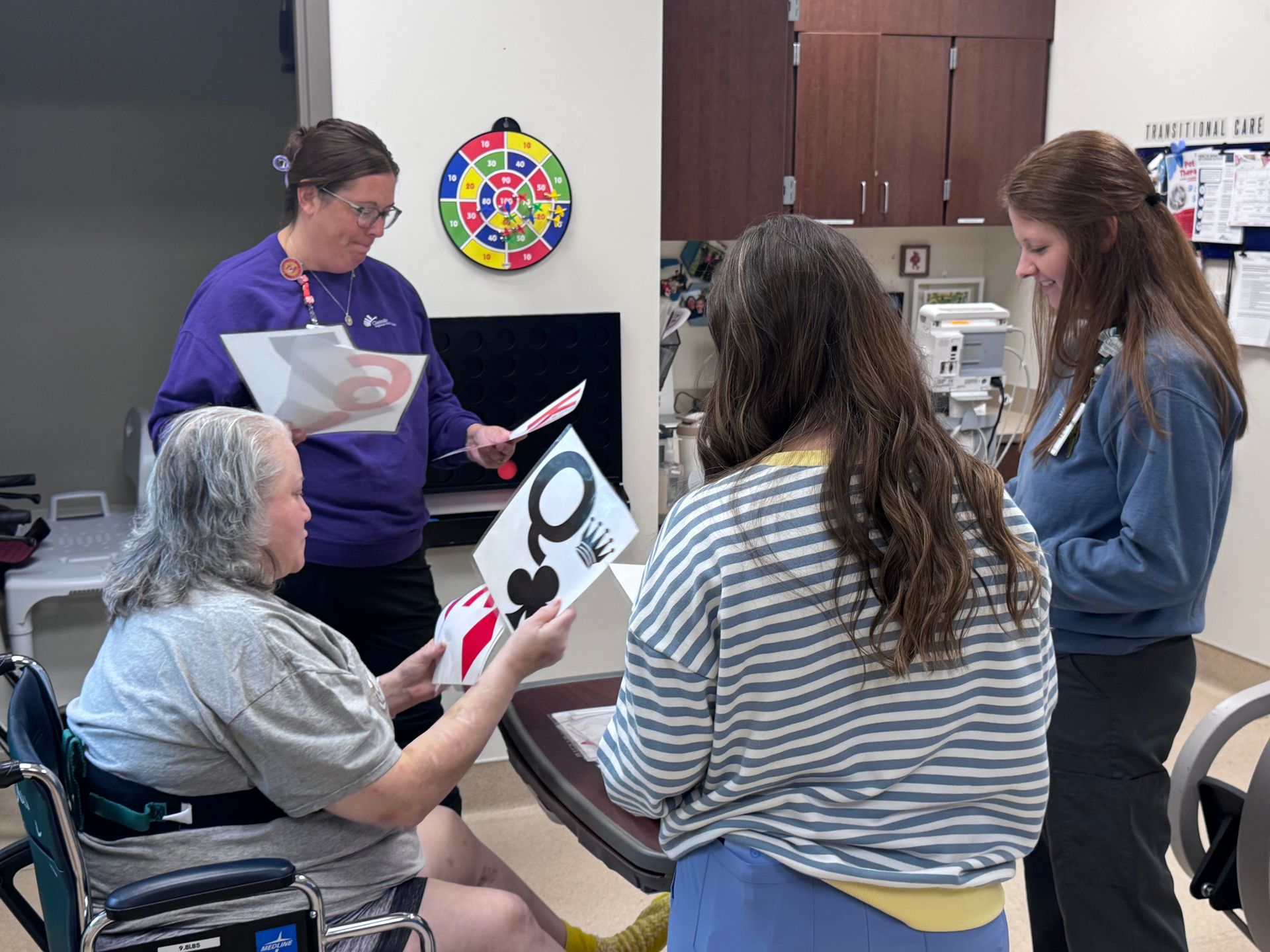
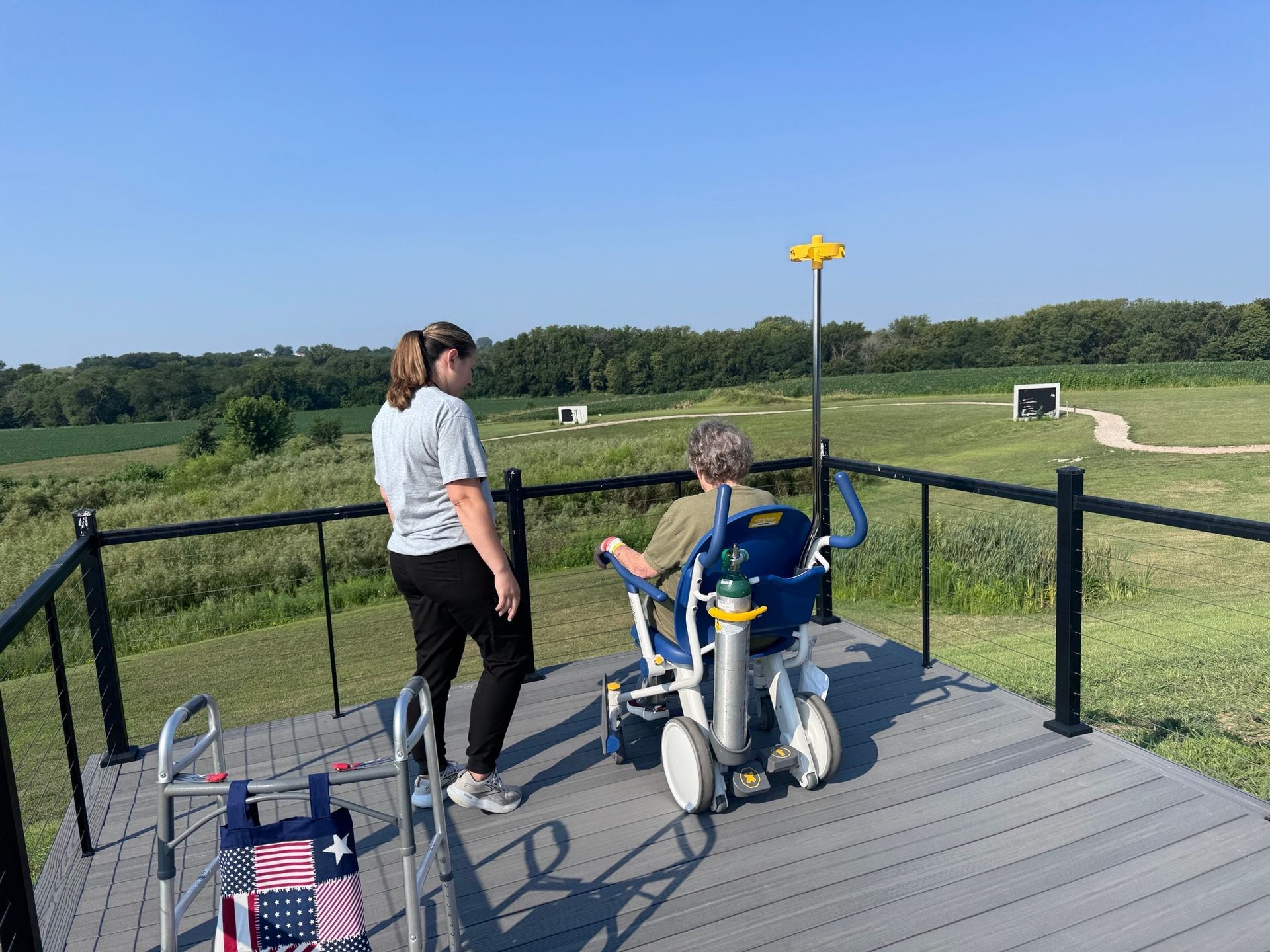
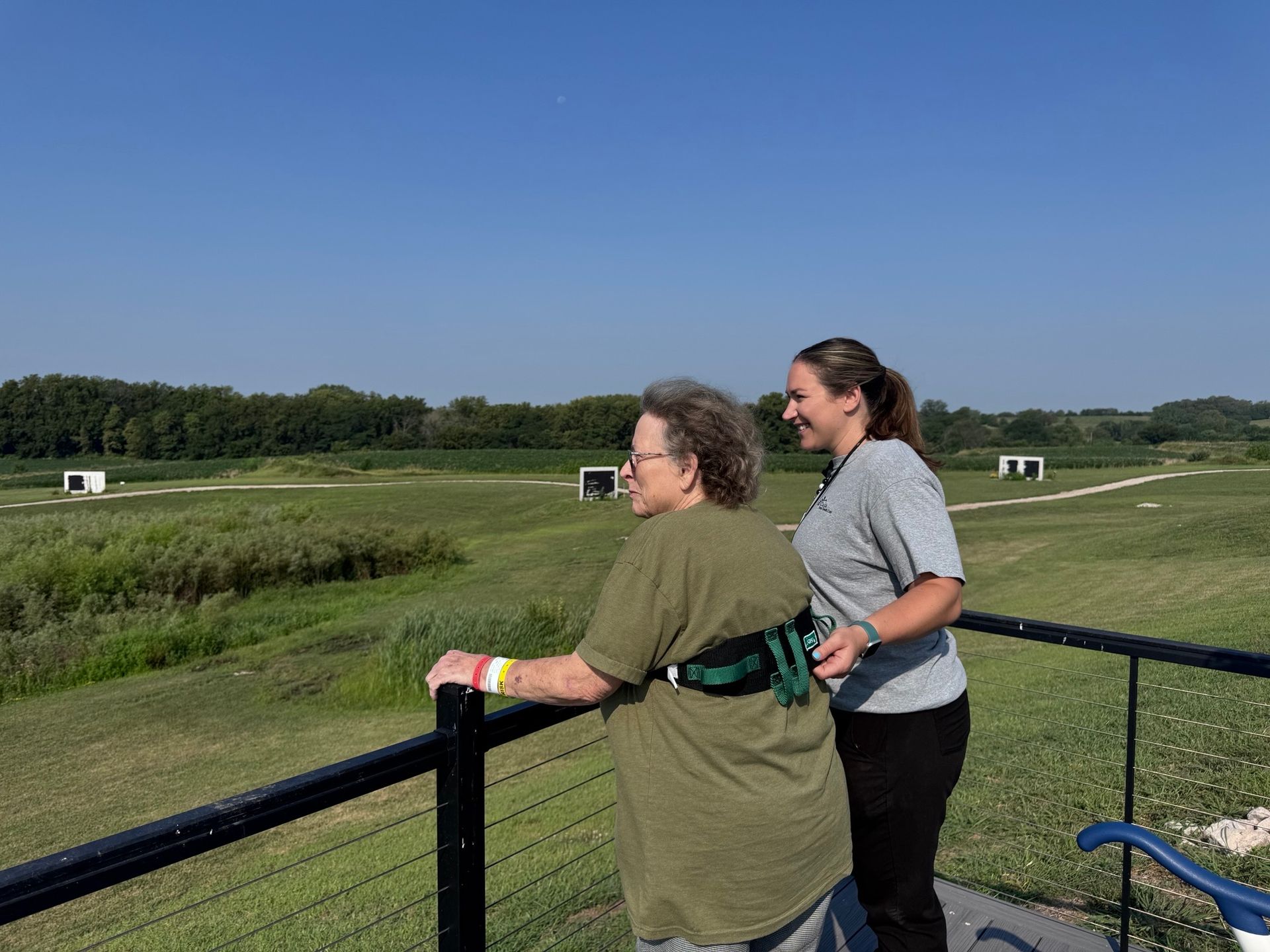
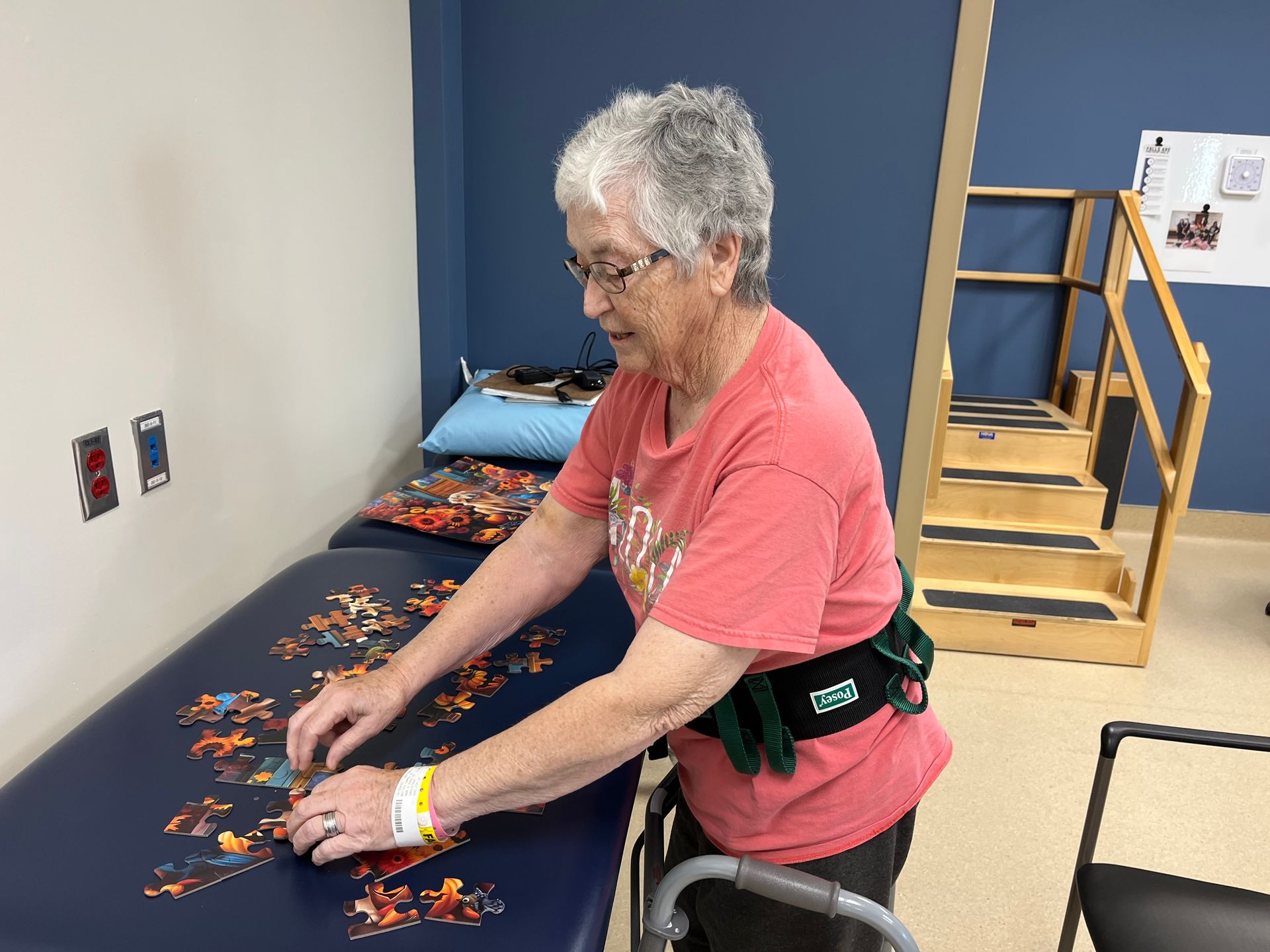
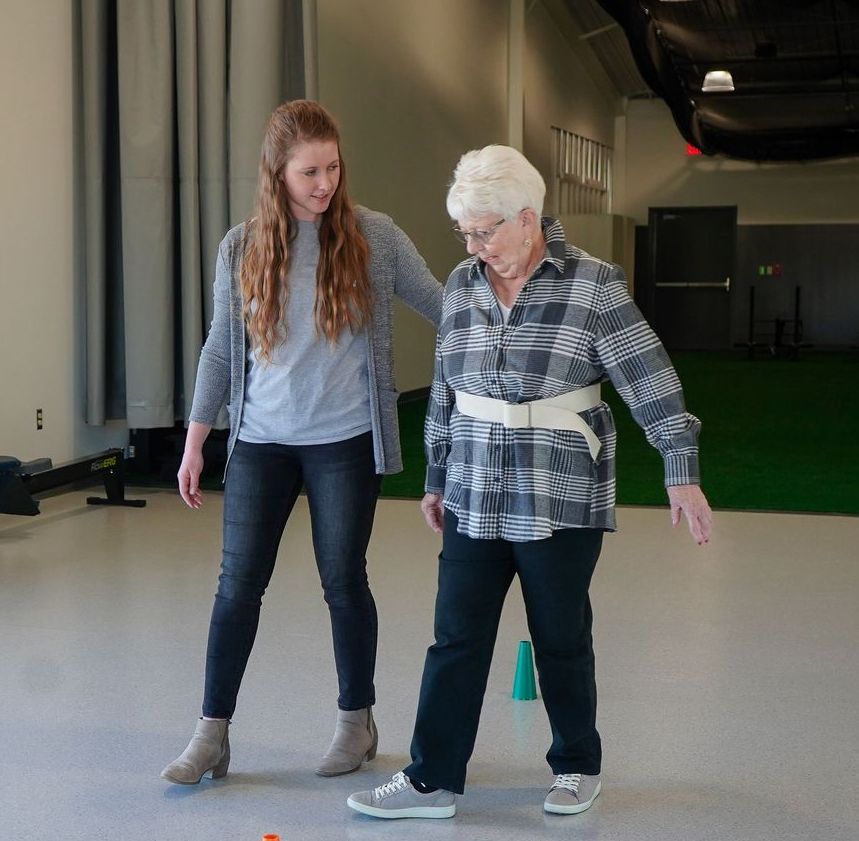
- Specialized Therapy: Including physical therapy and an array of supportive services
- Teaching and Training: Education on management of new complex conditions
- Coordination and Ongoing Assessment of Complex Plans of Care: RN oversight and team collaboration to modify care plans as frequently as patients need
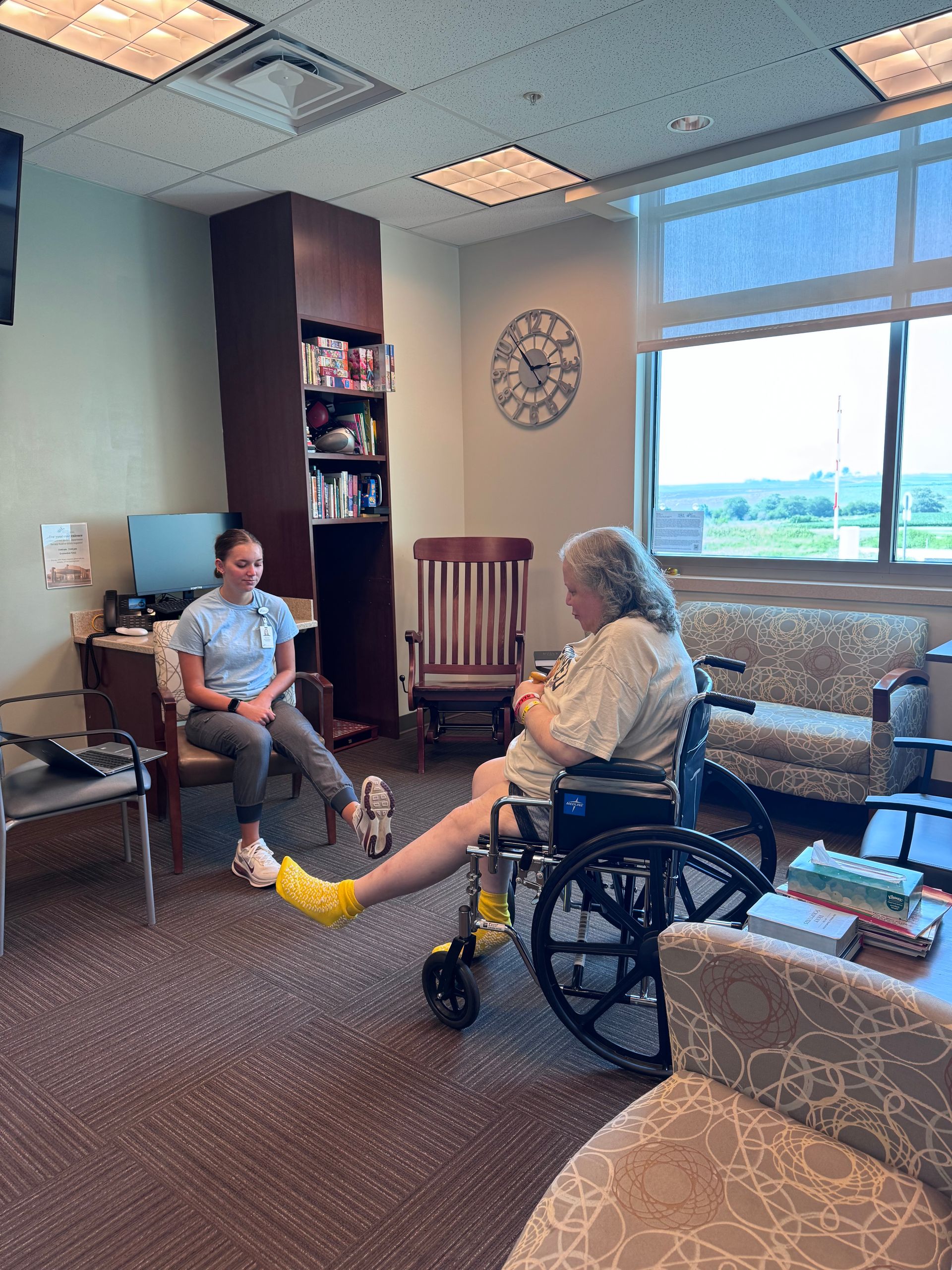
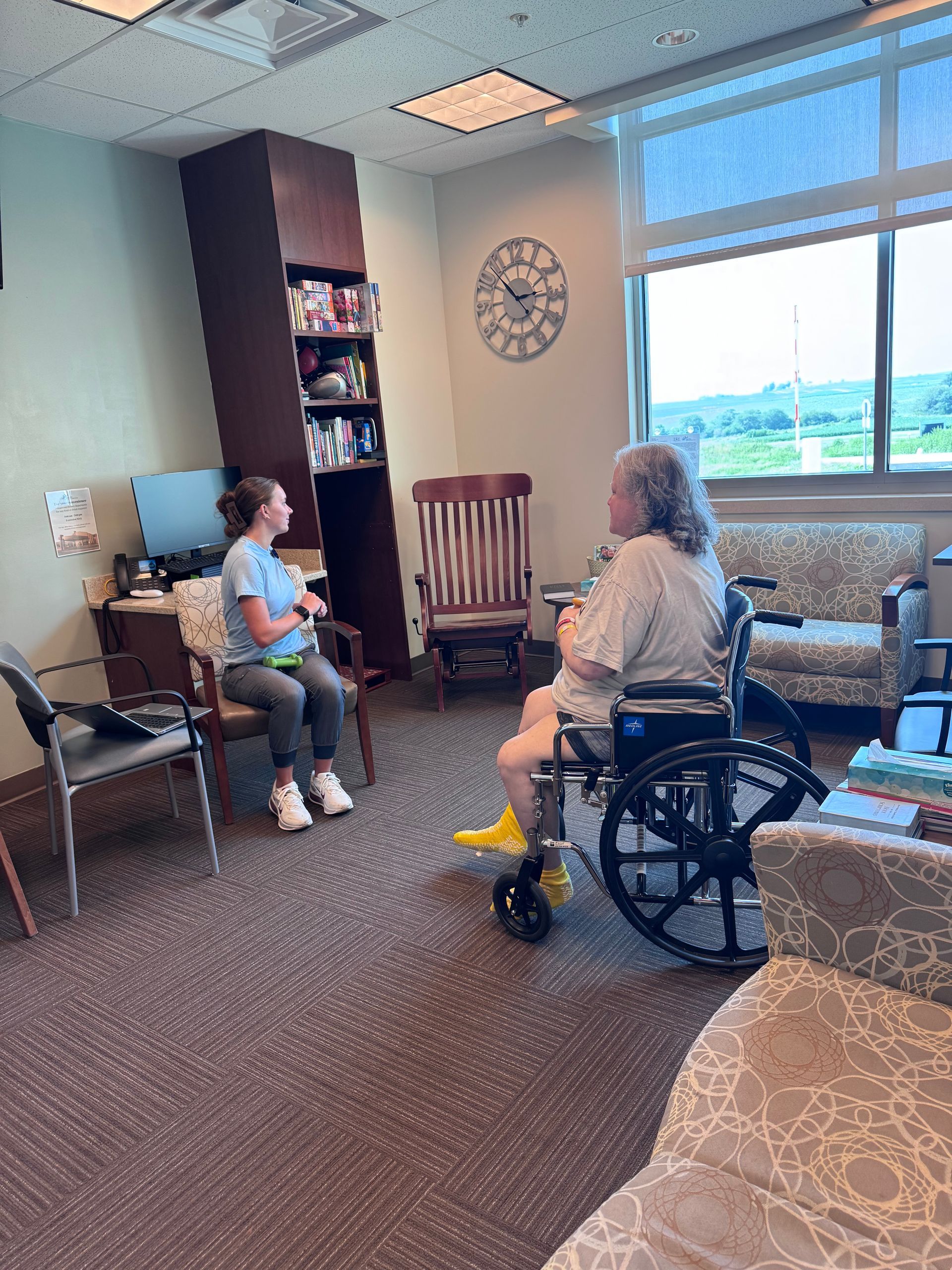
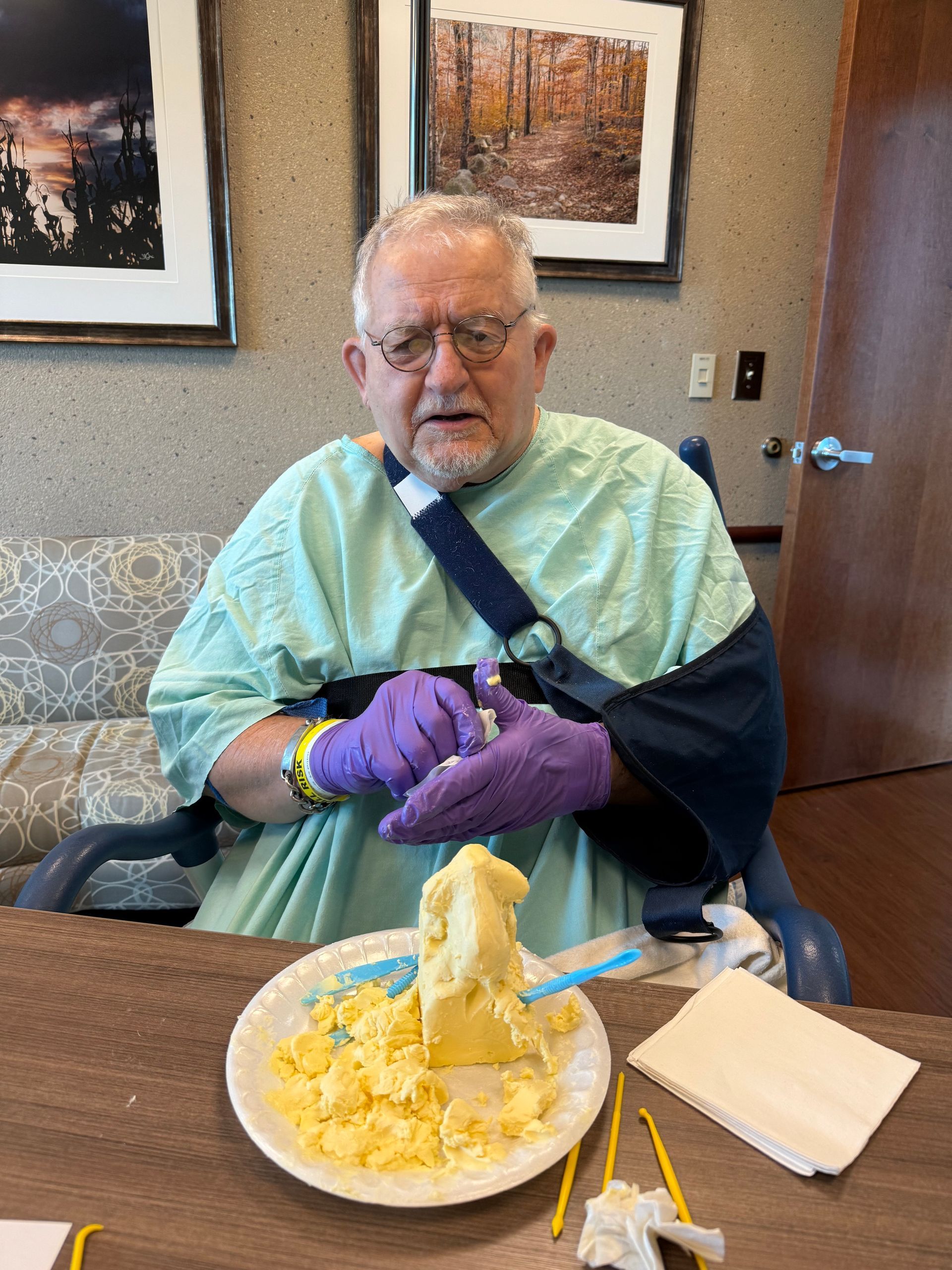
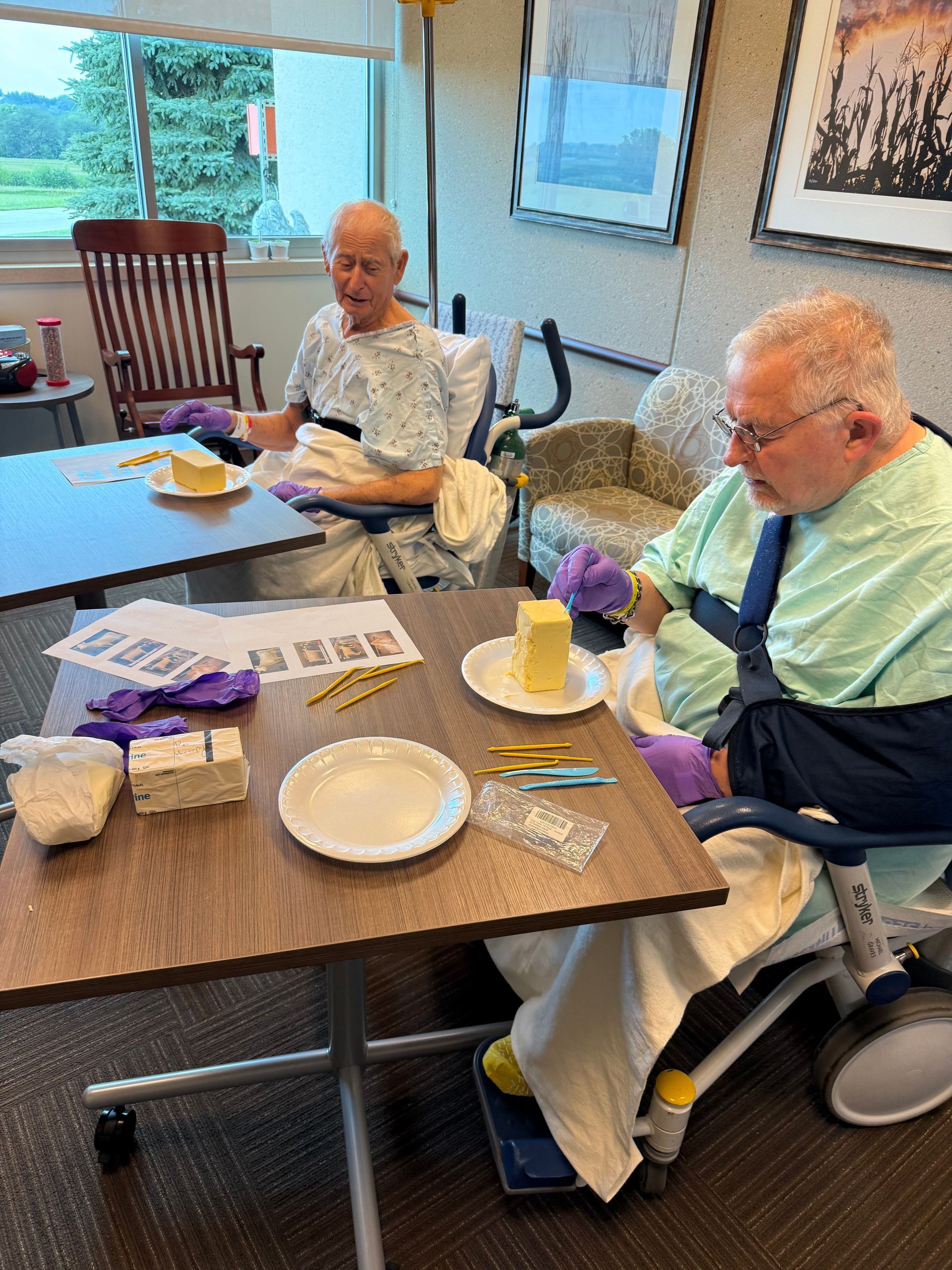
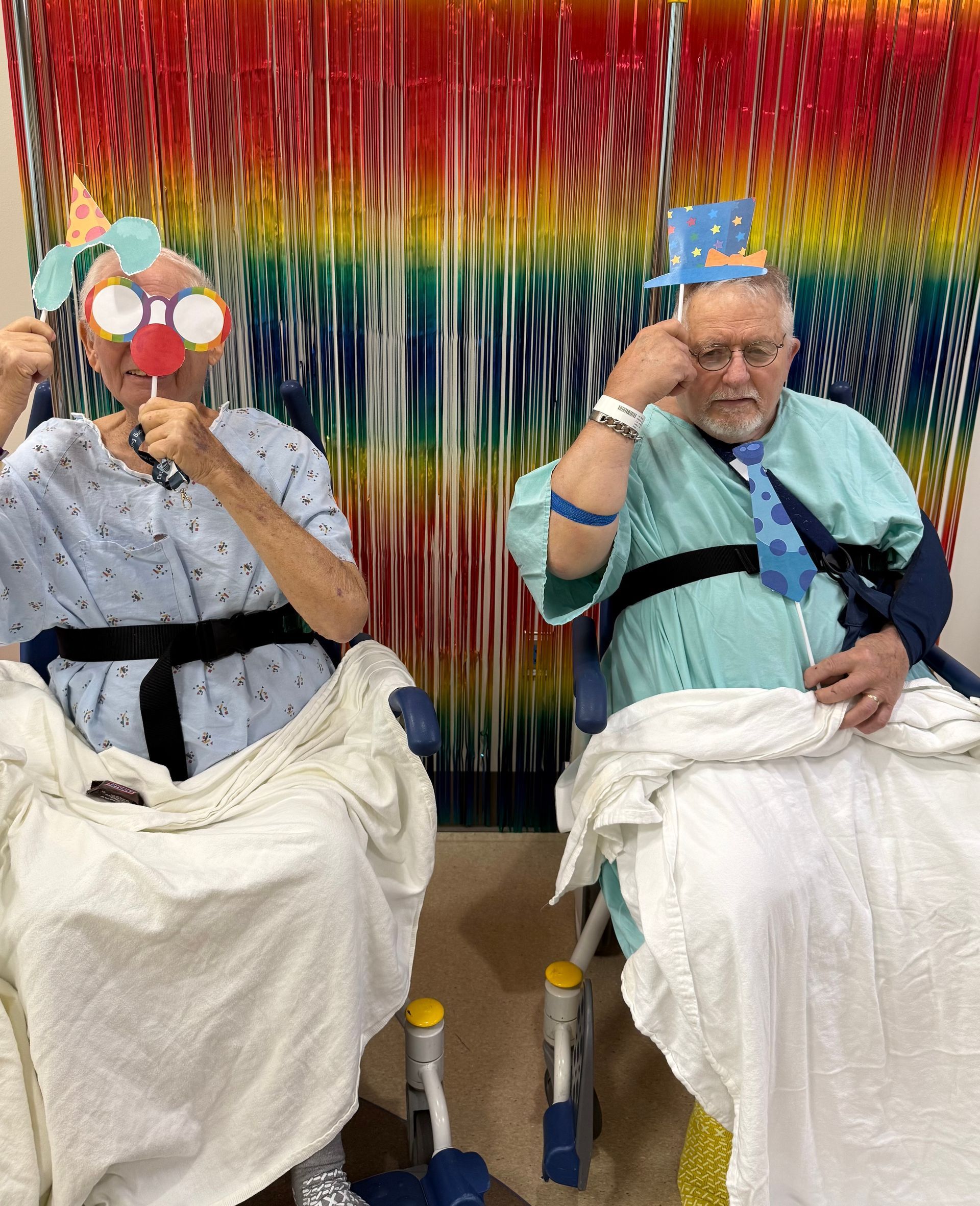
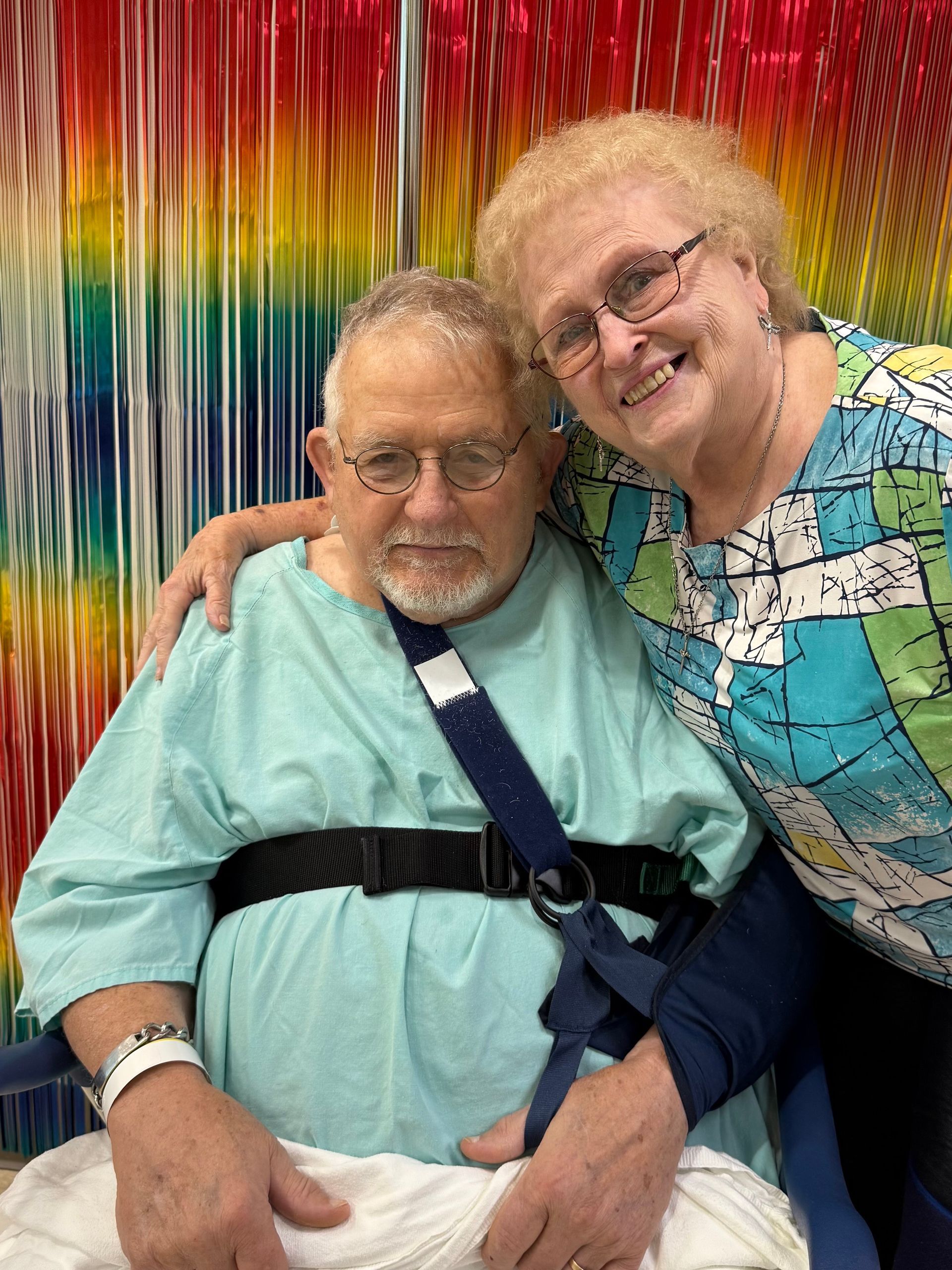
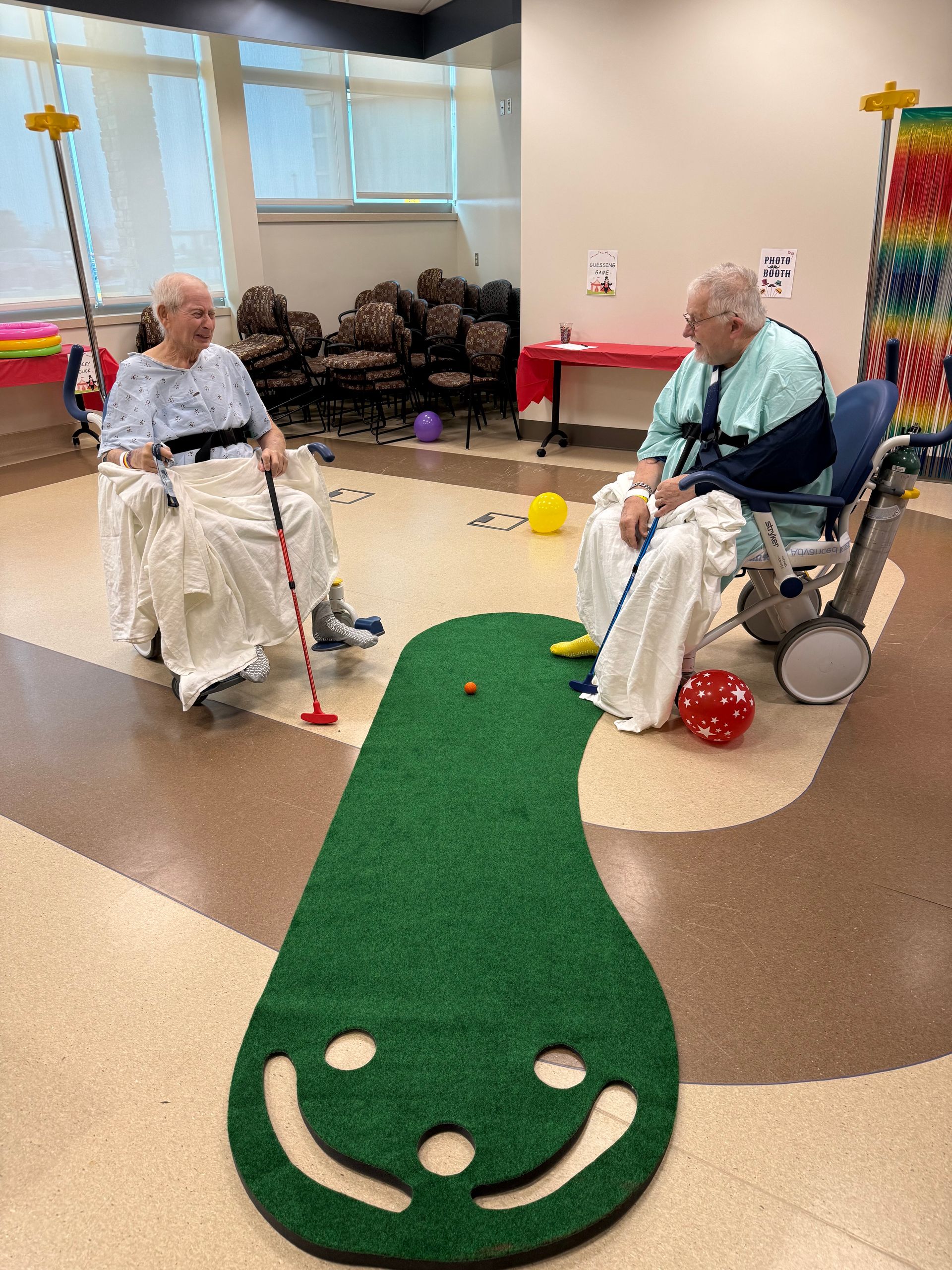
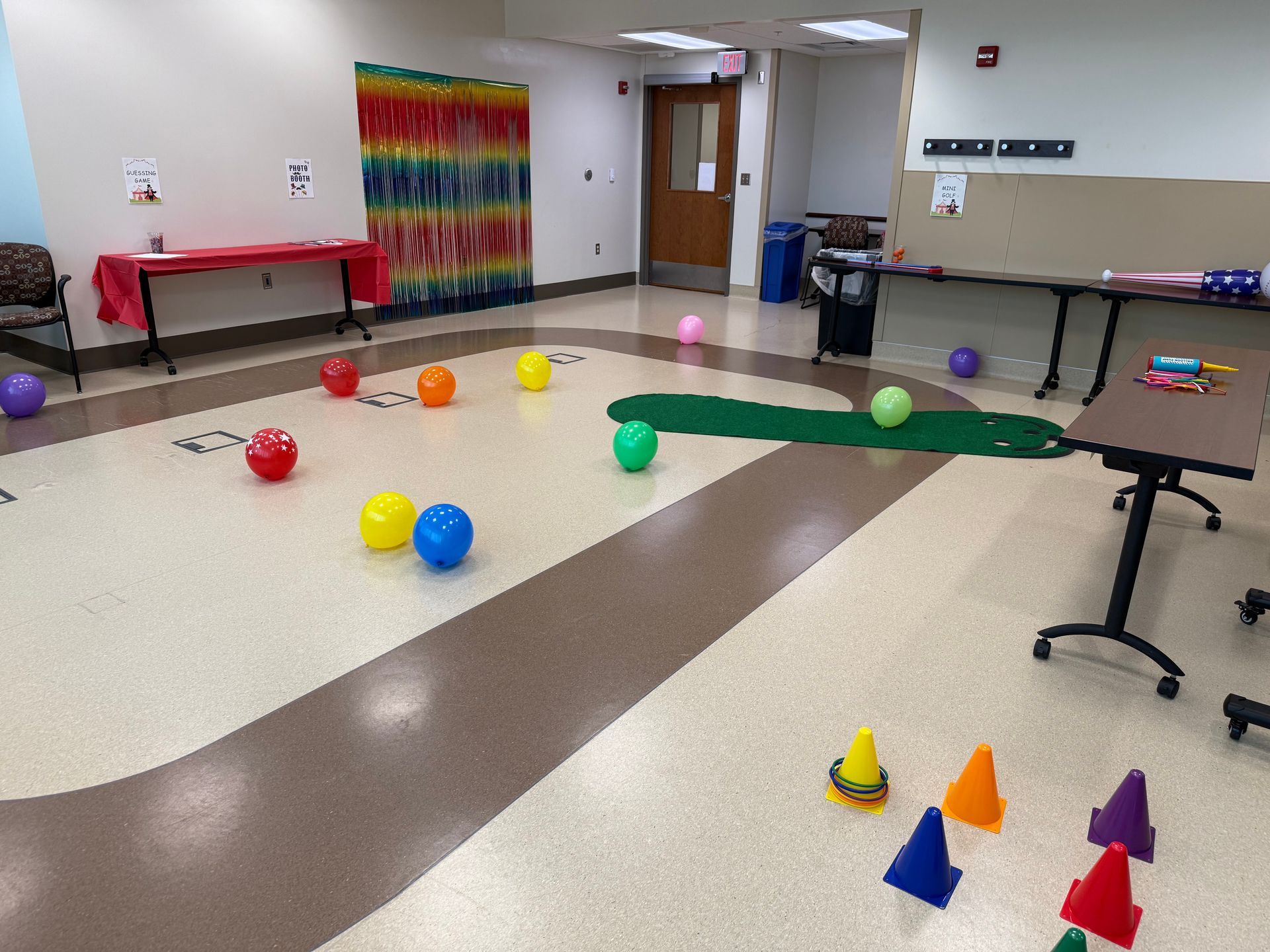
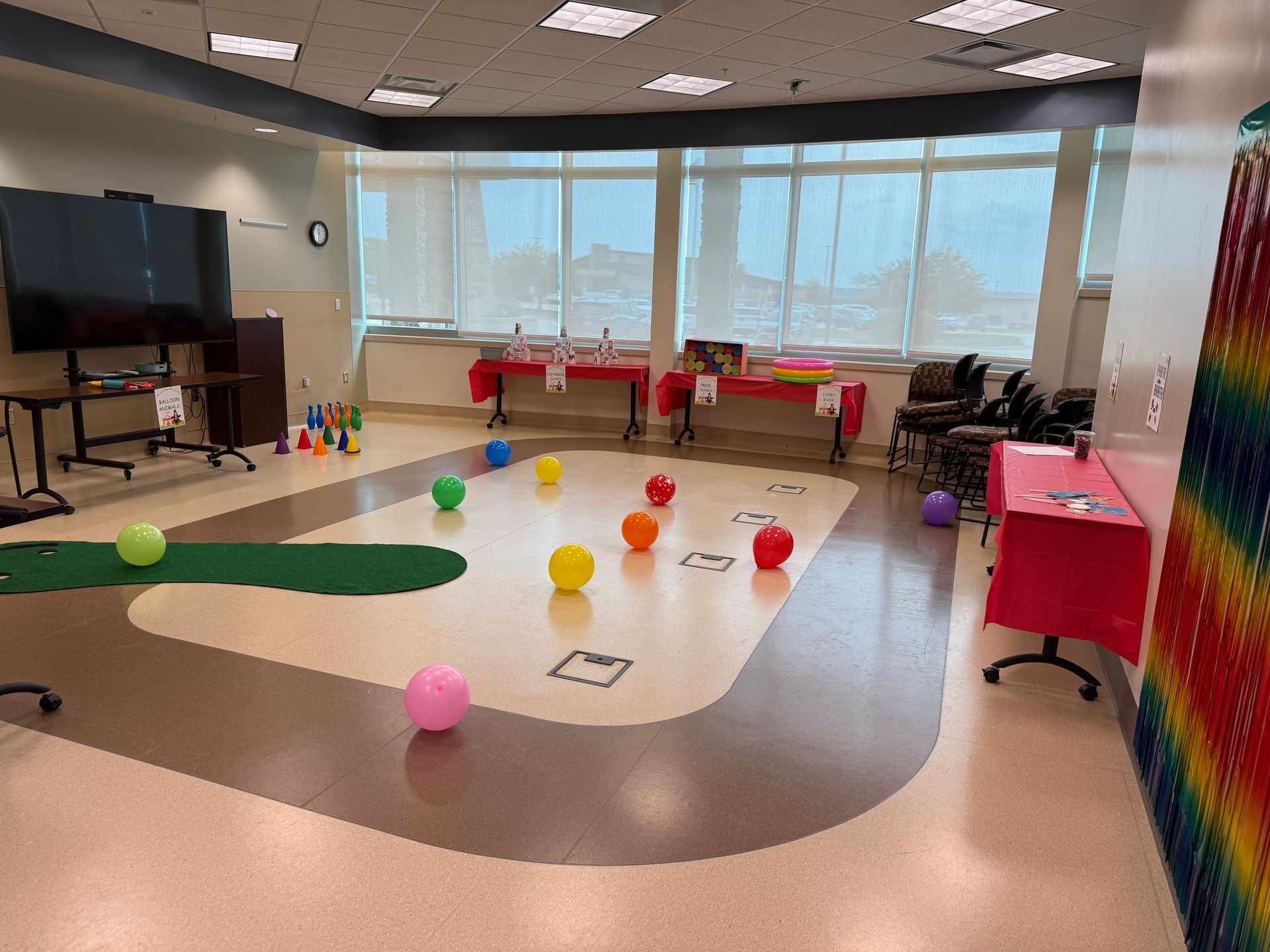
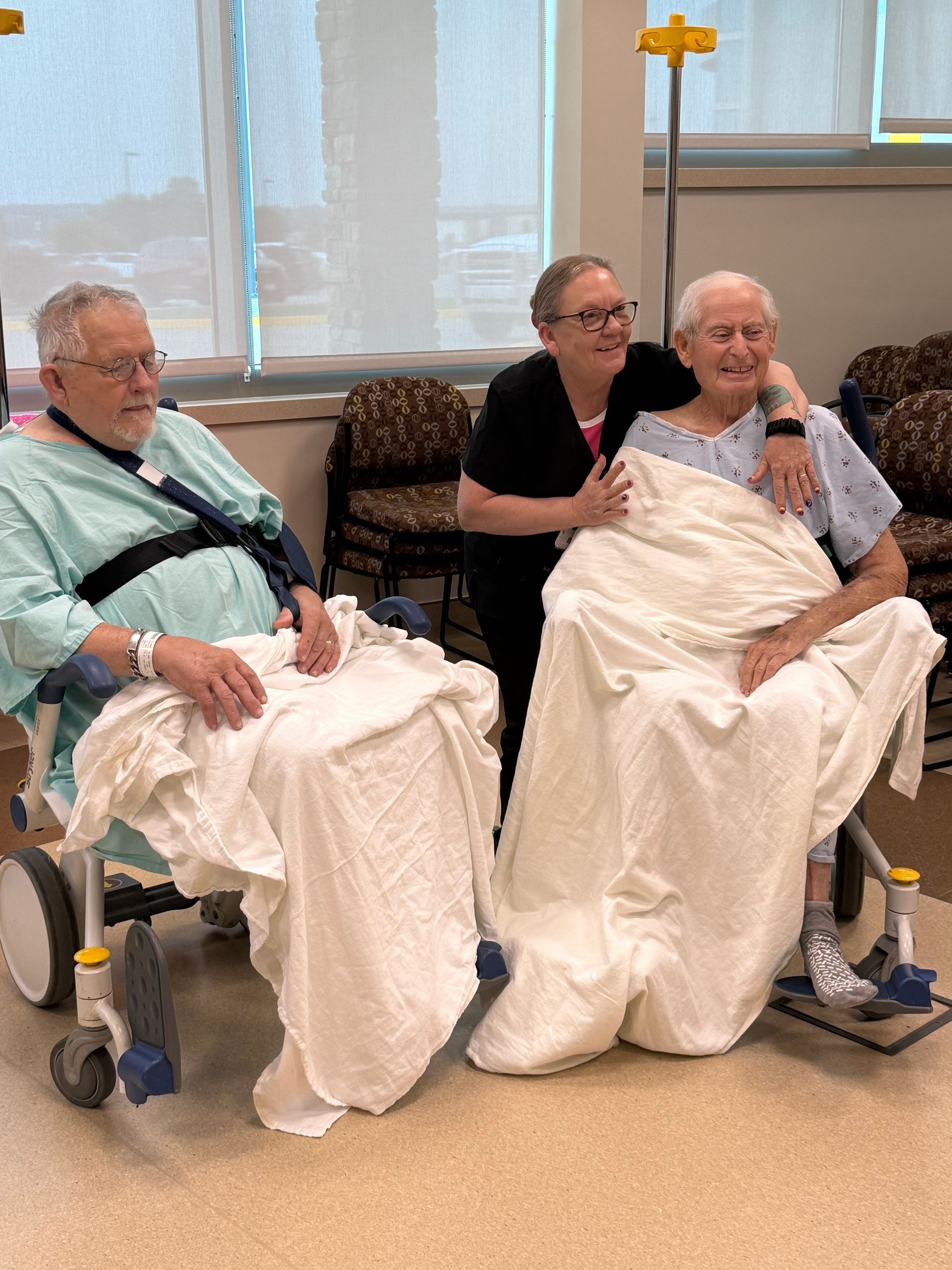
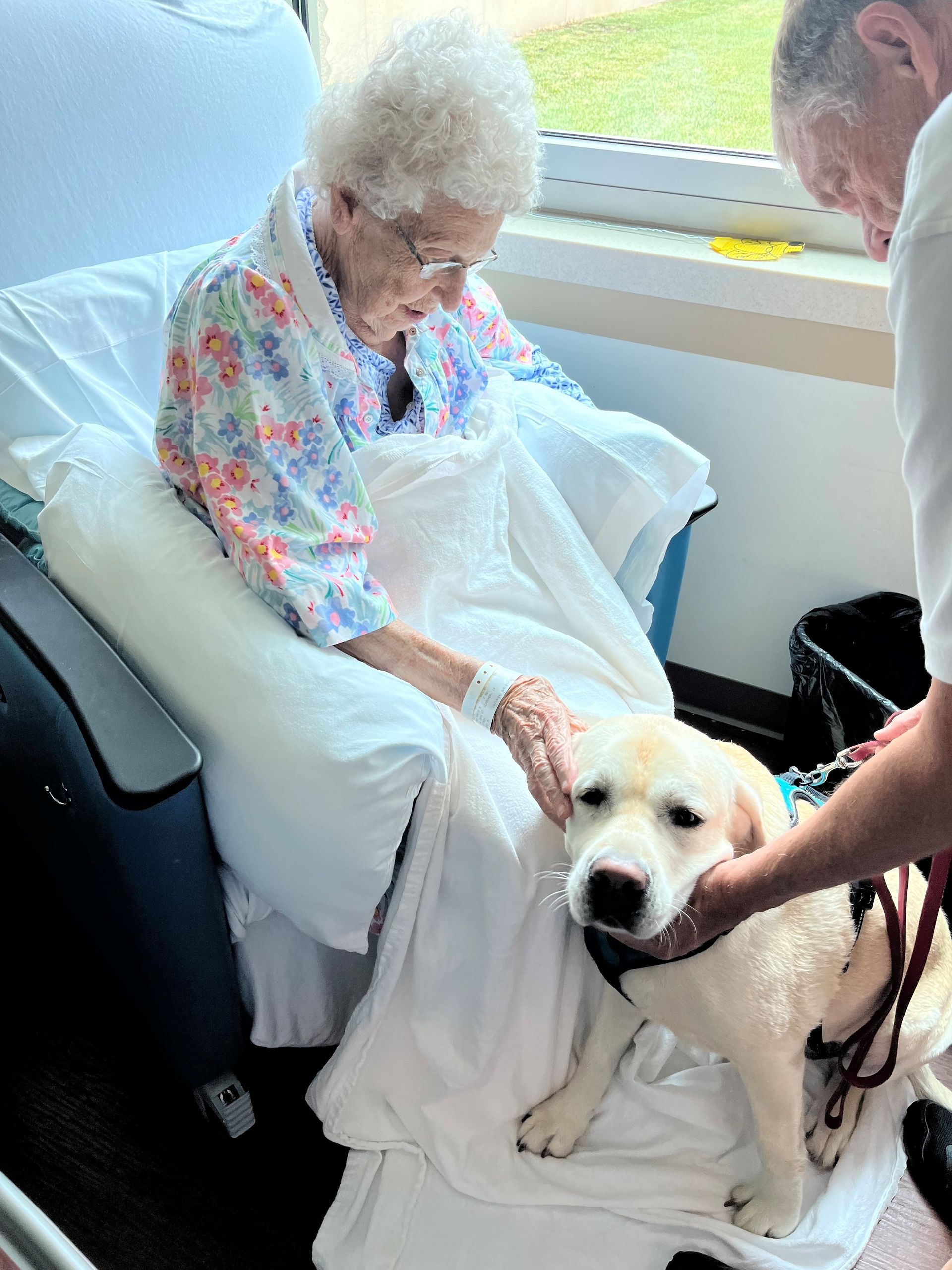
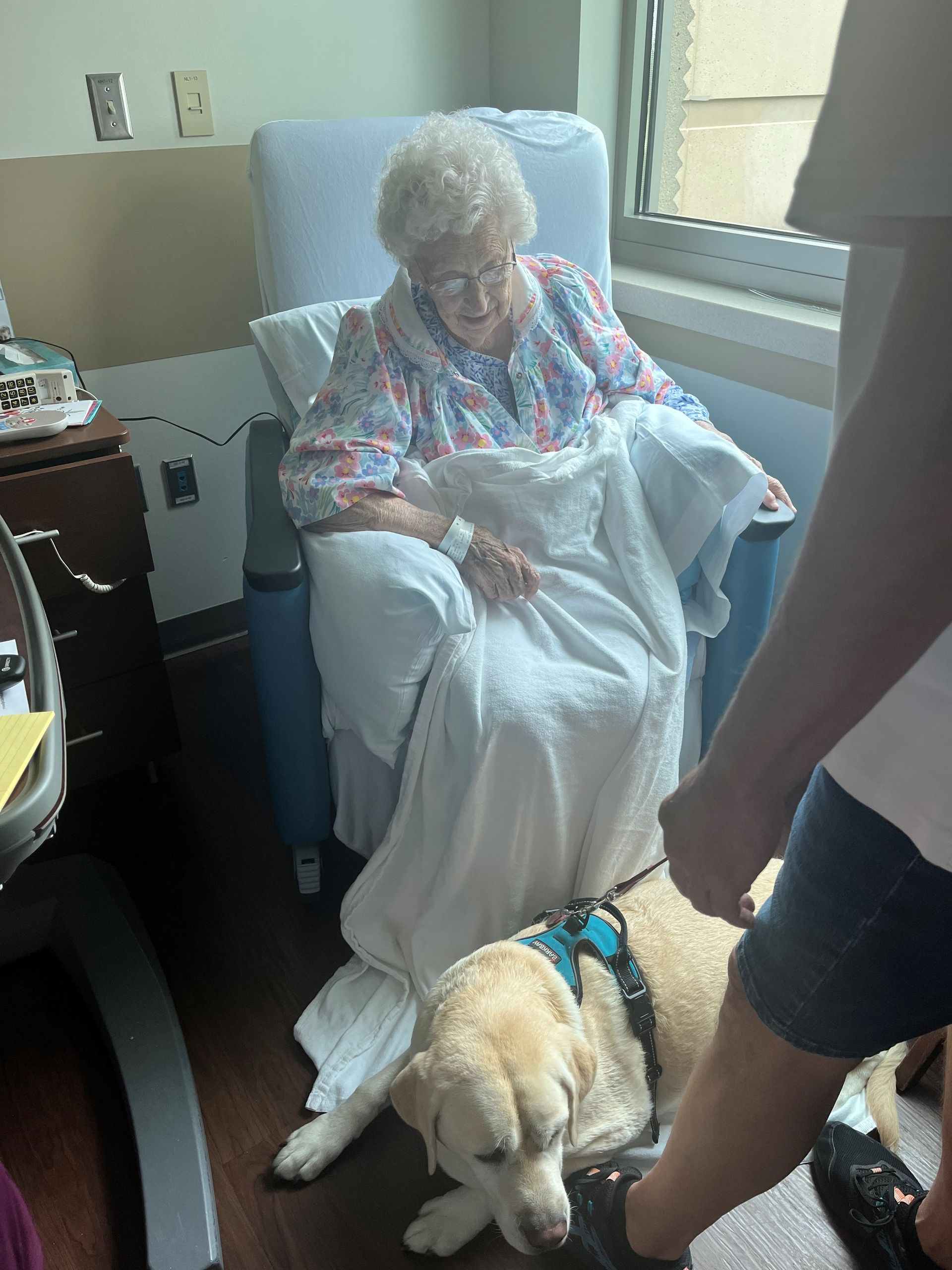
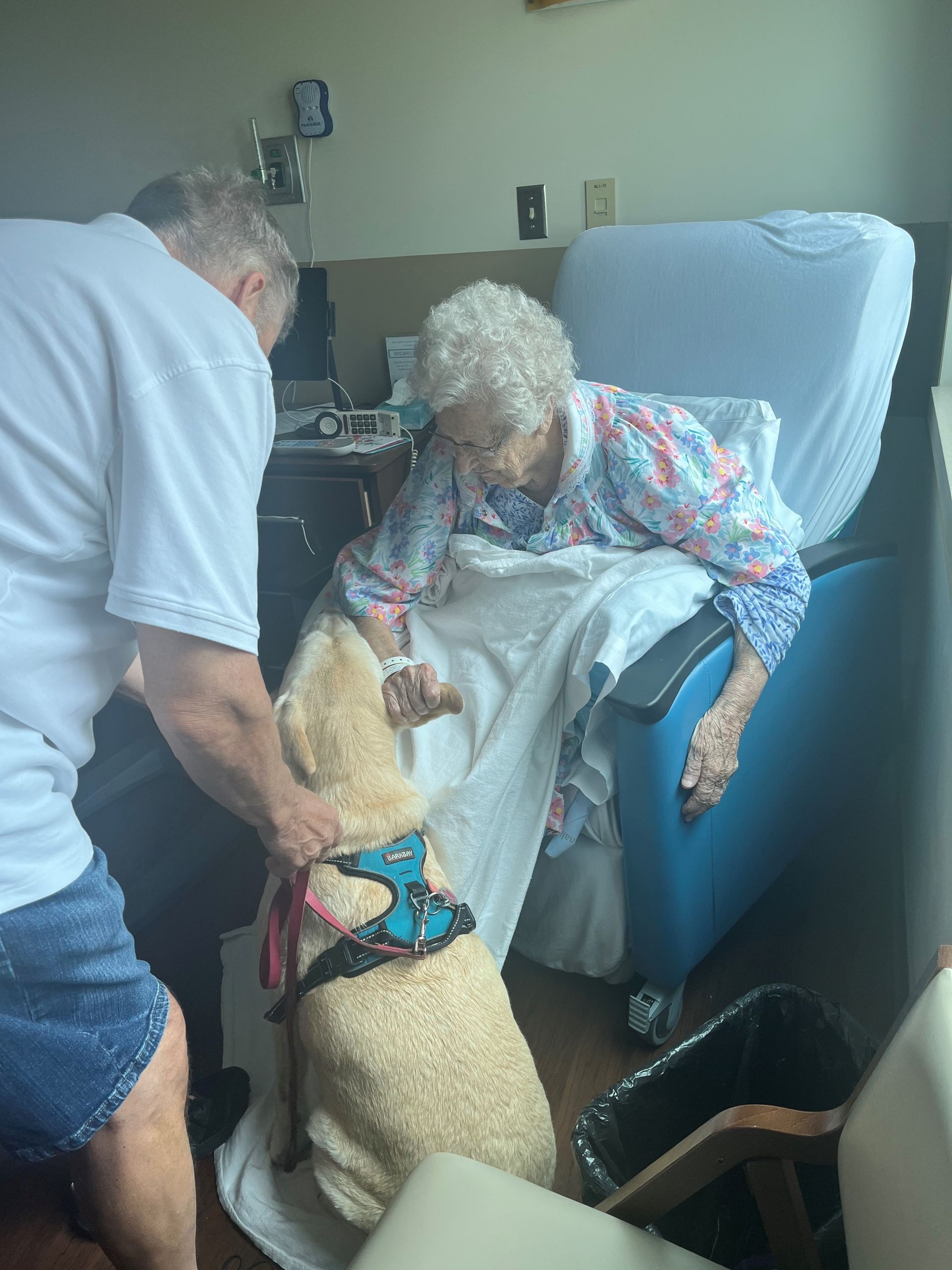
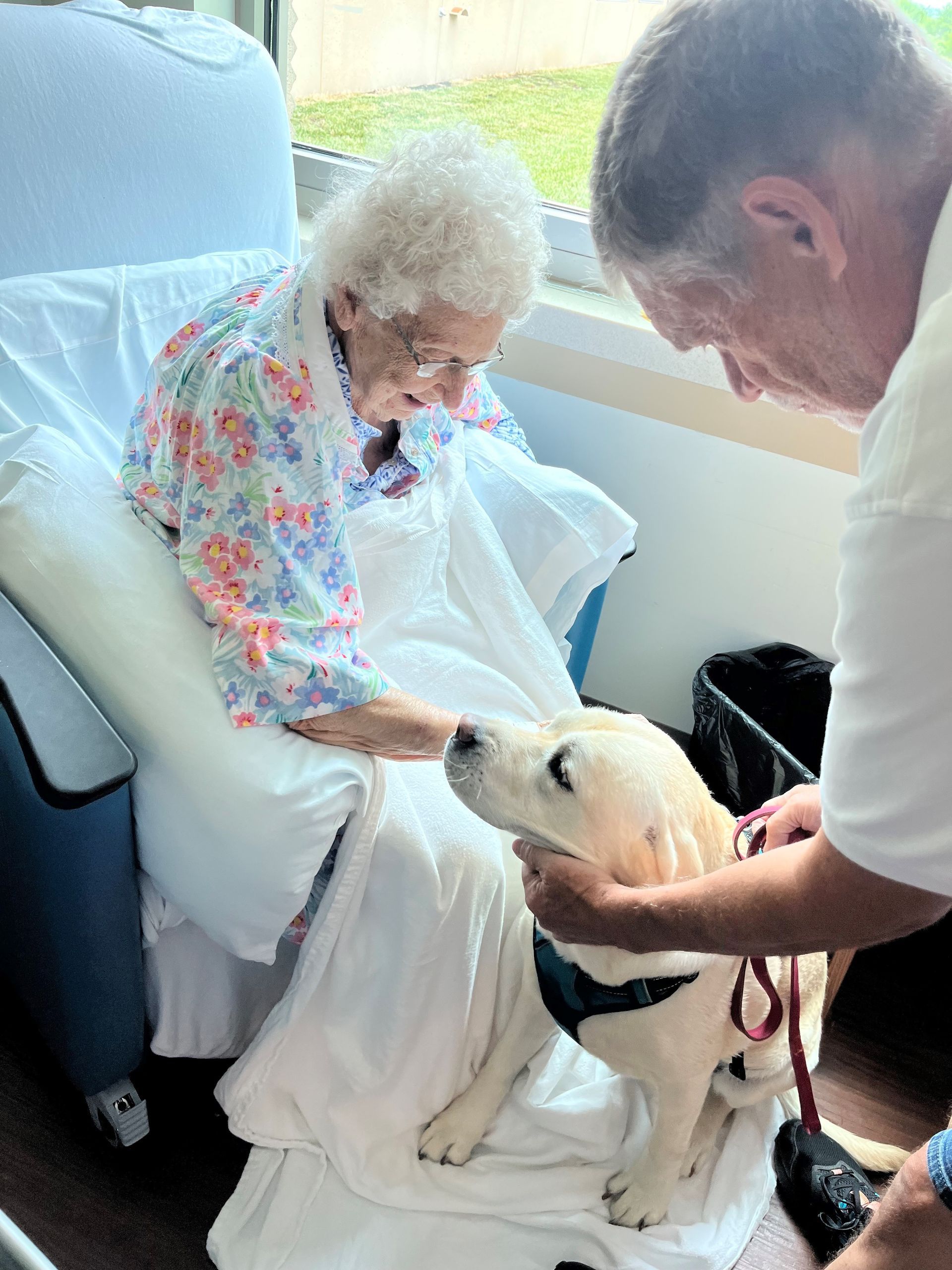
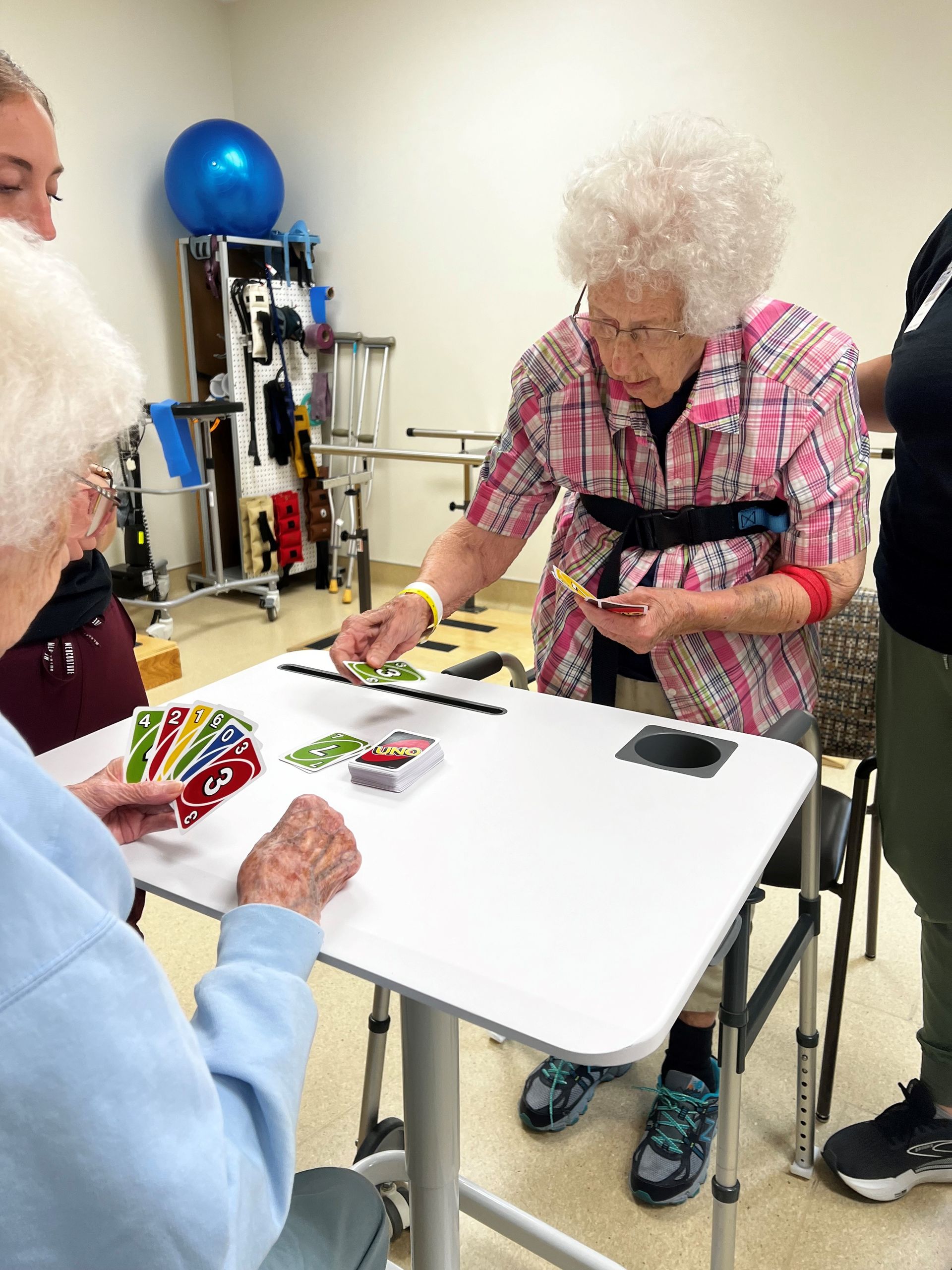
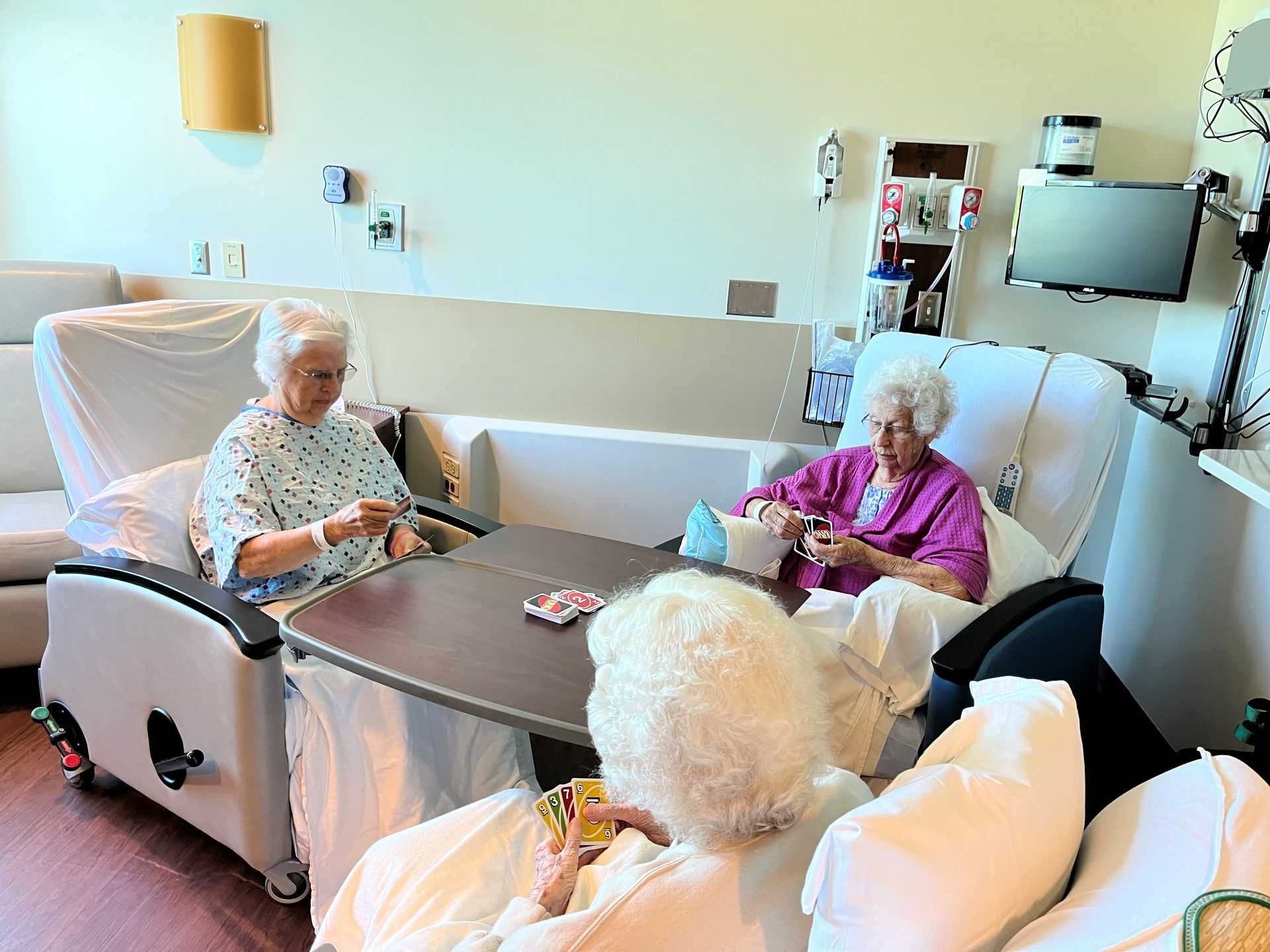
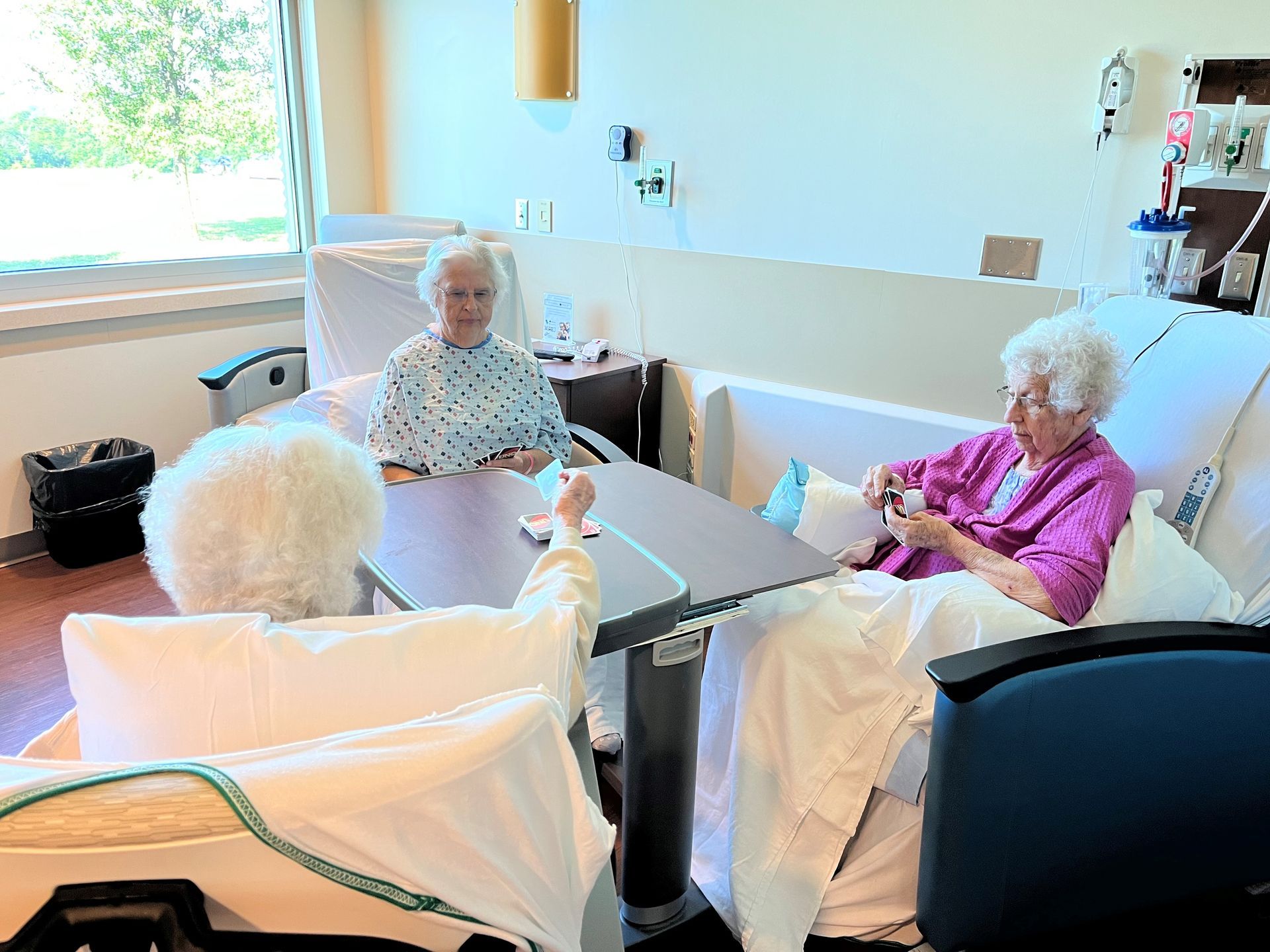
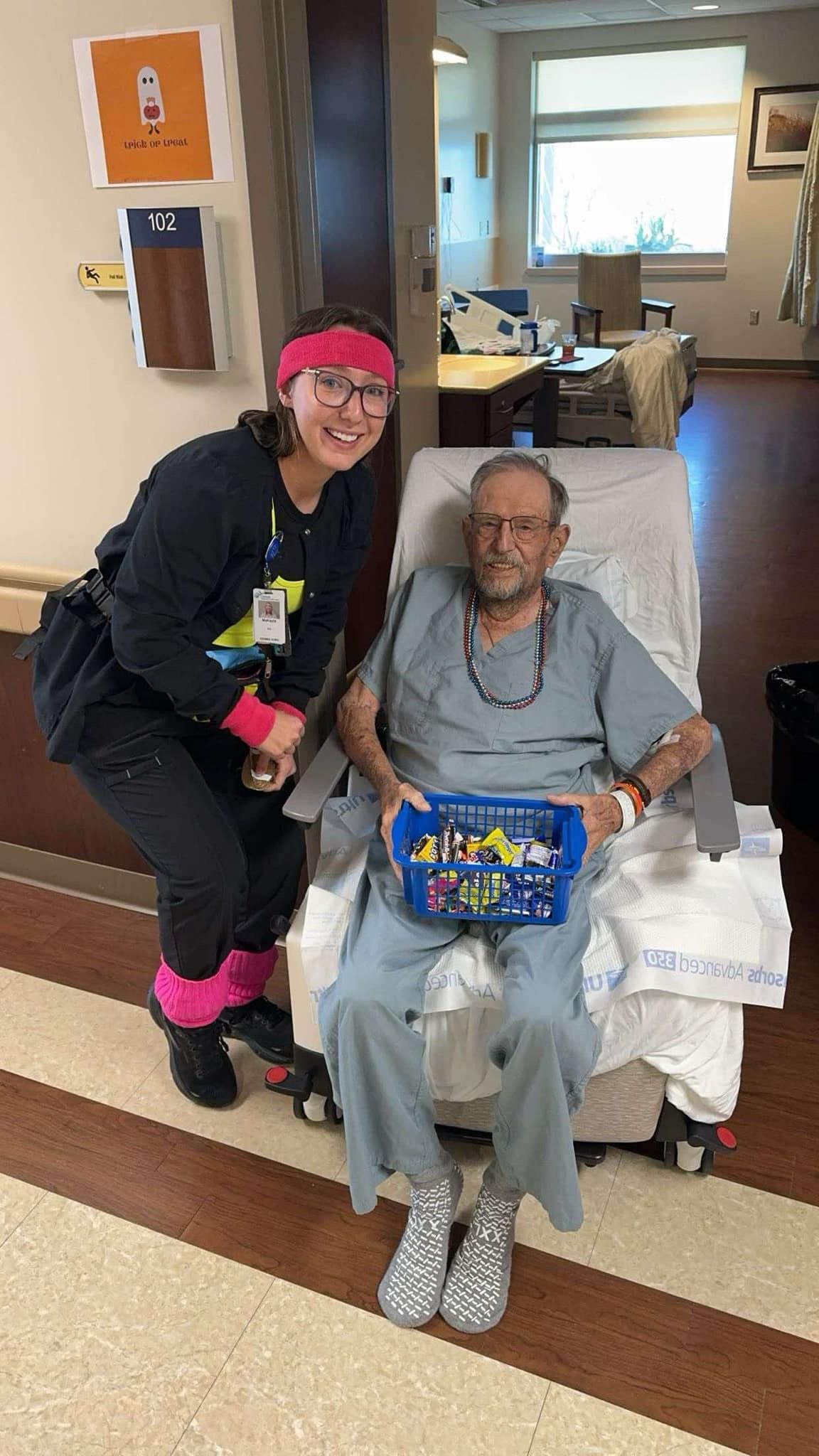
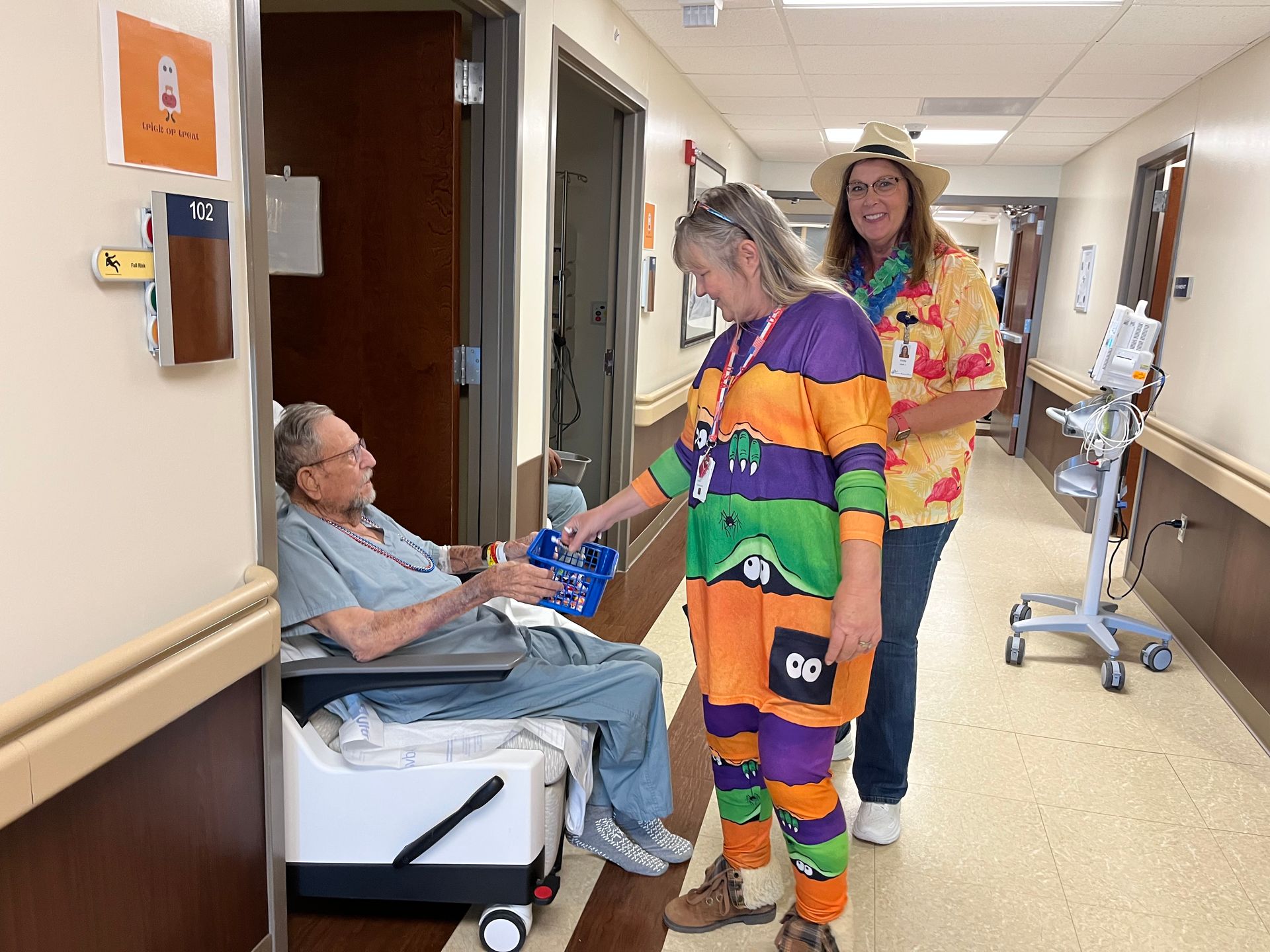
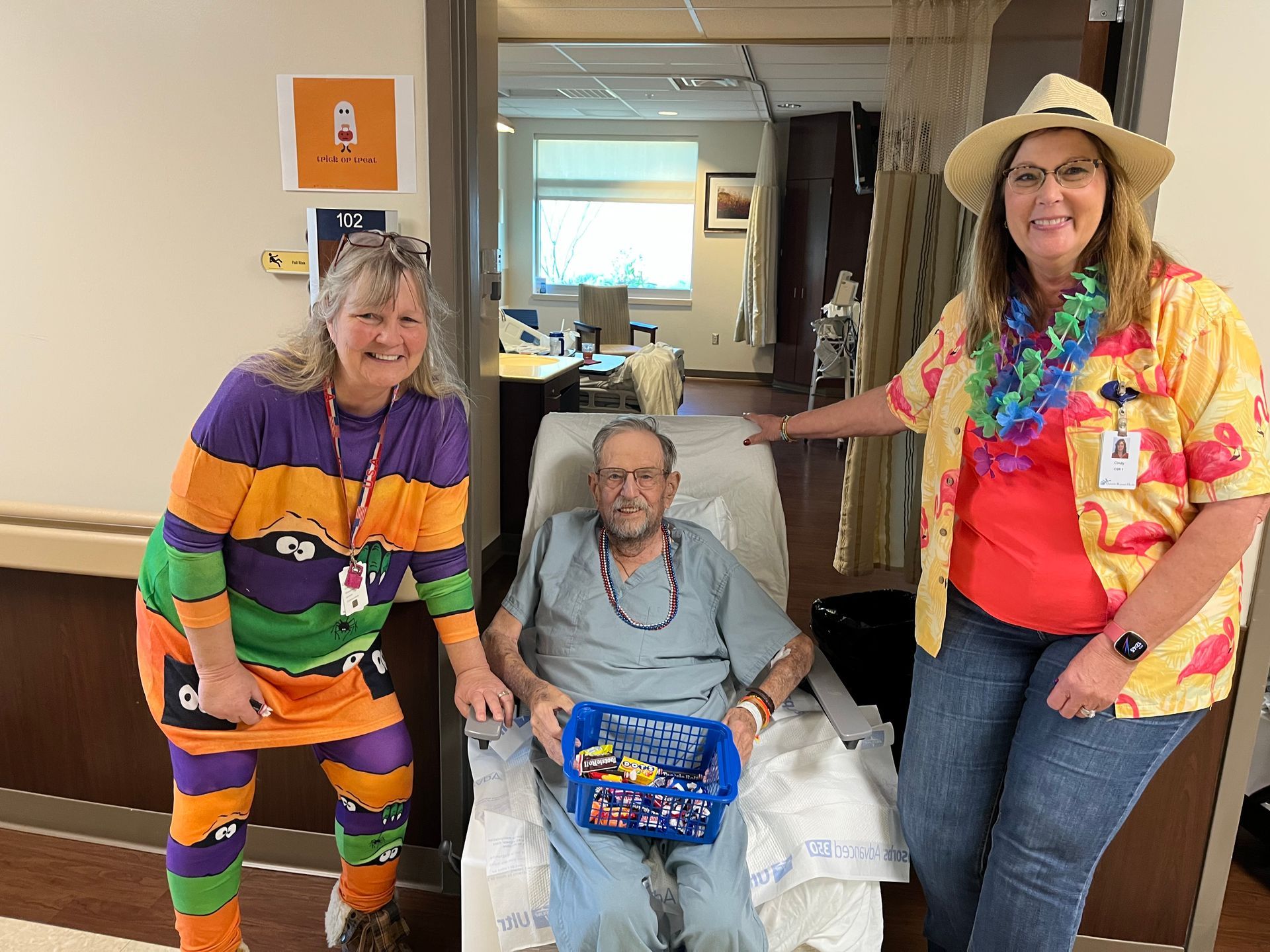
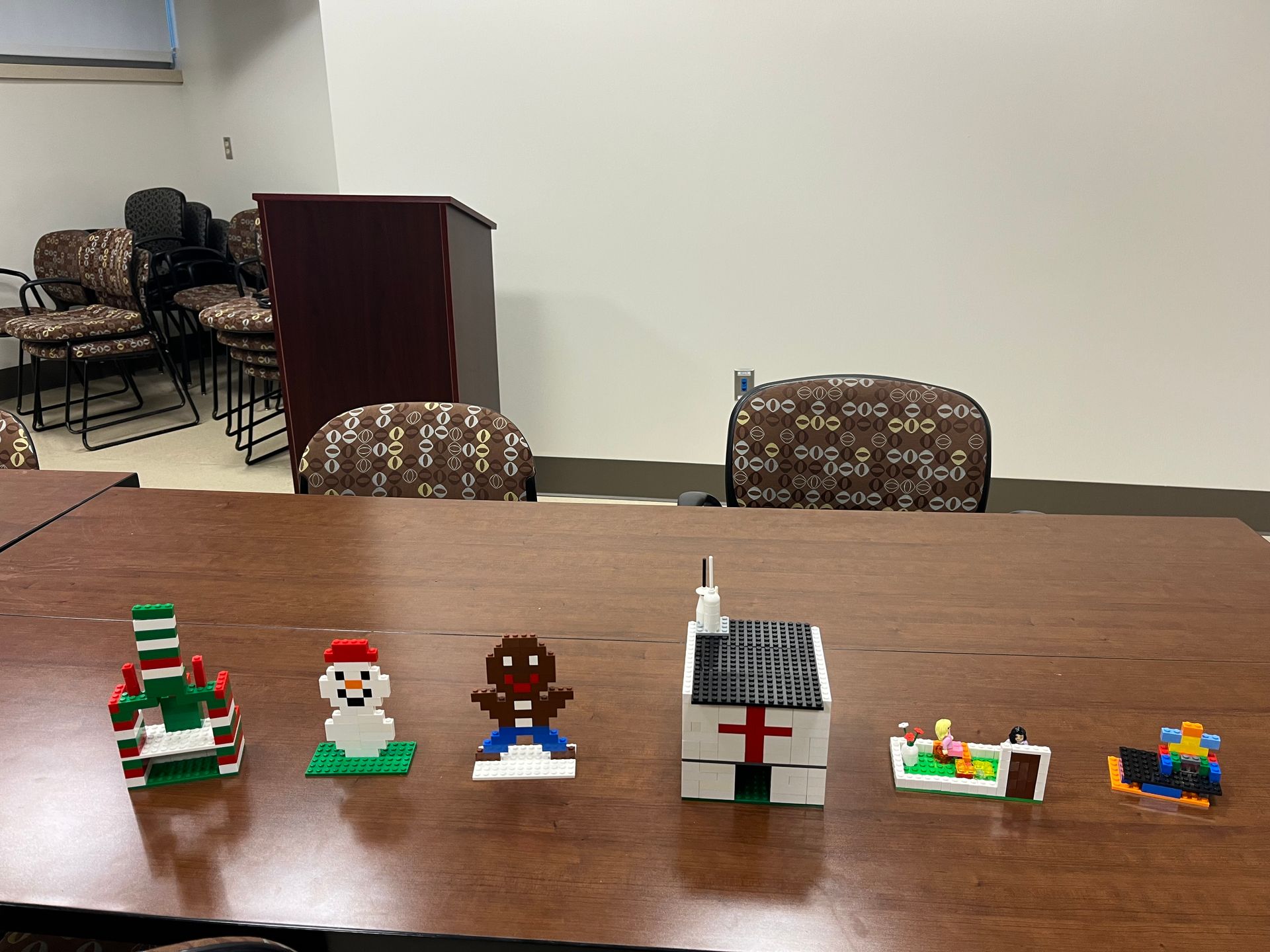

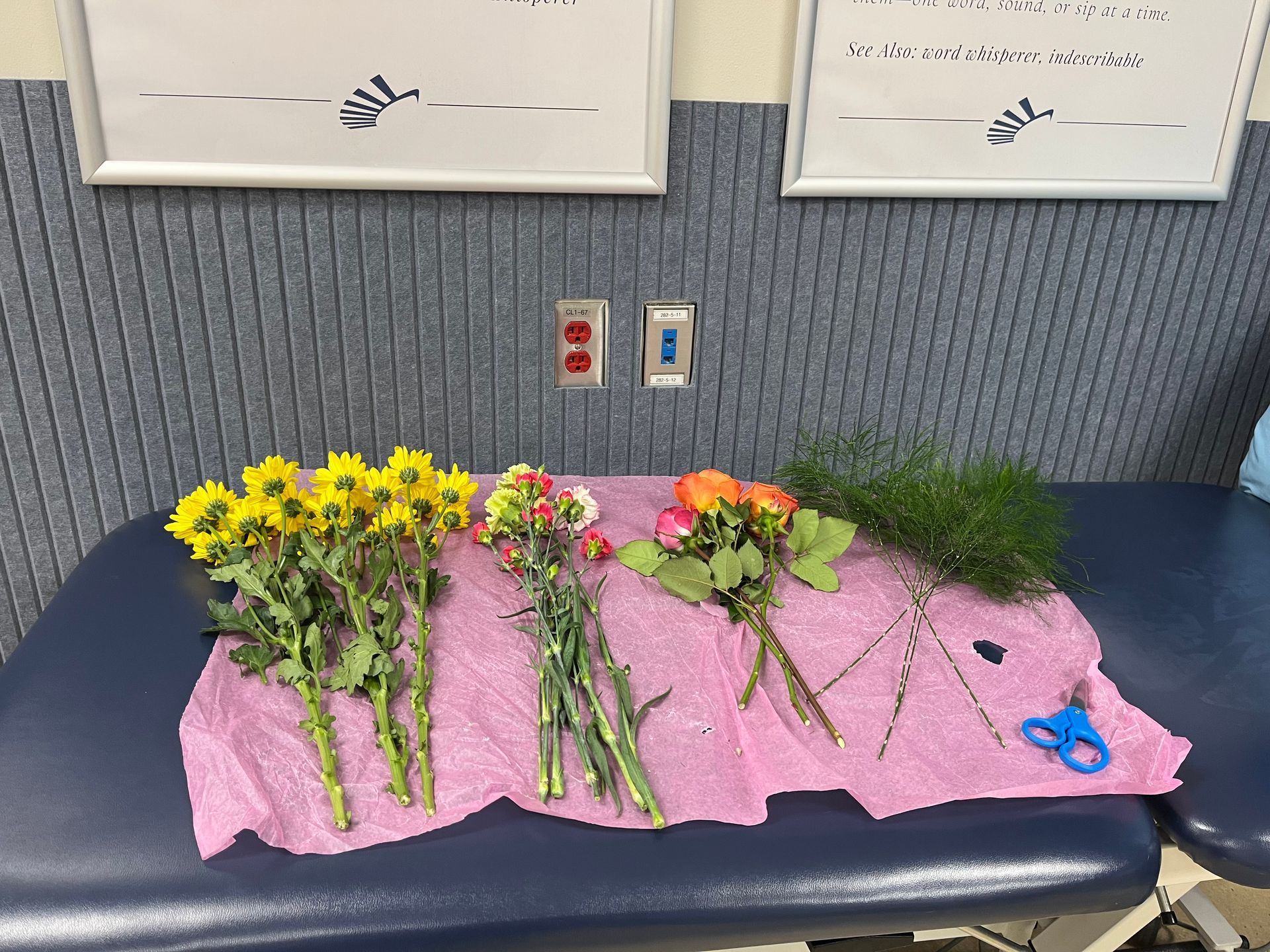
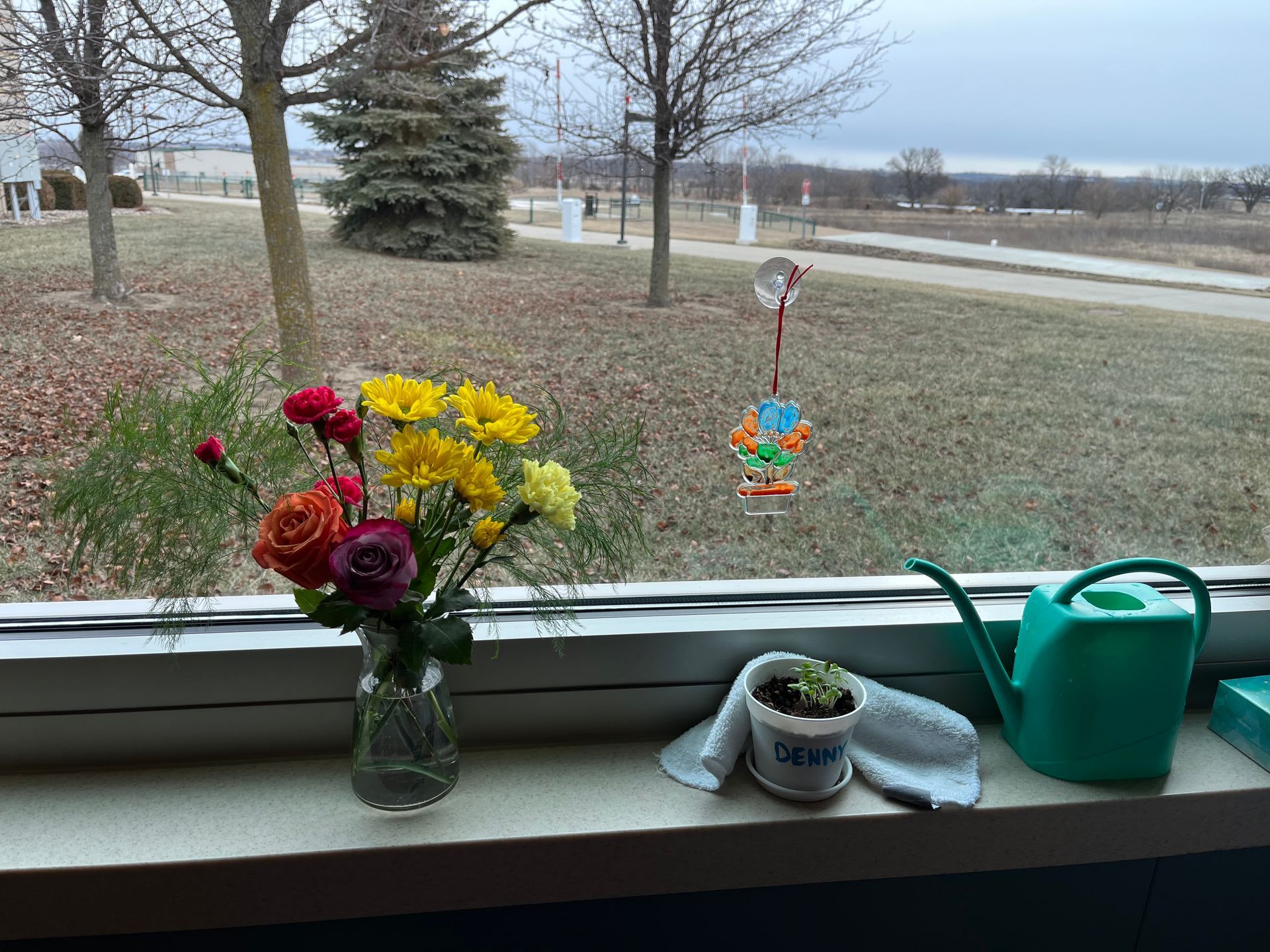
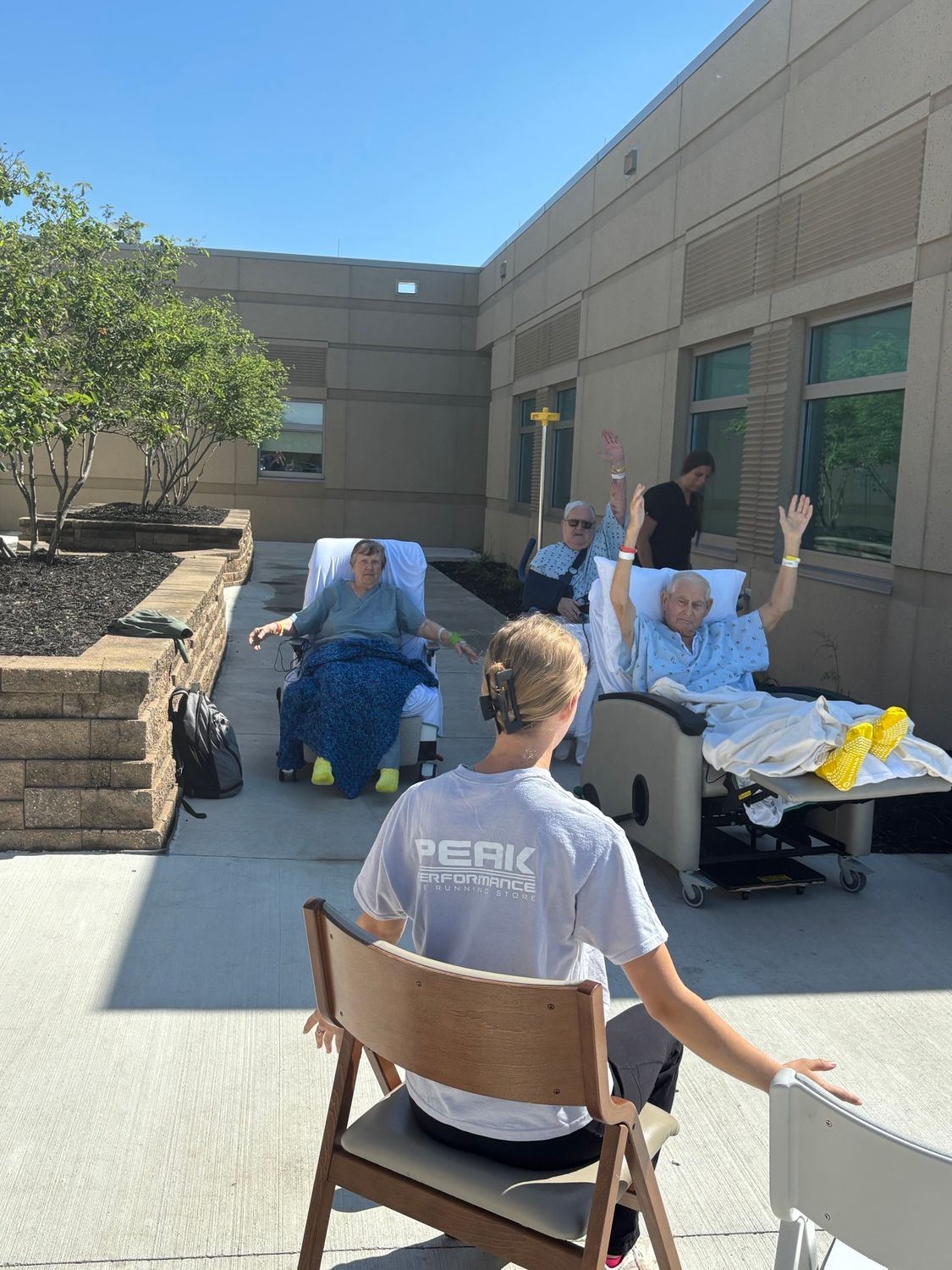
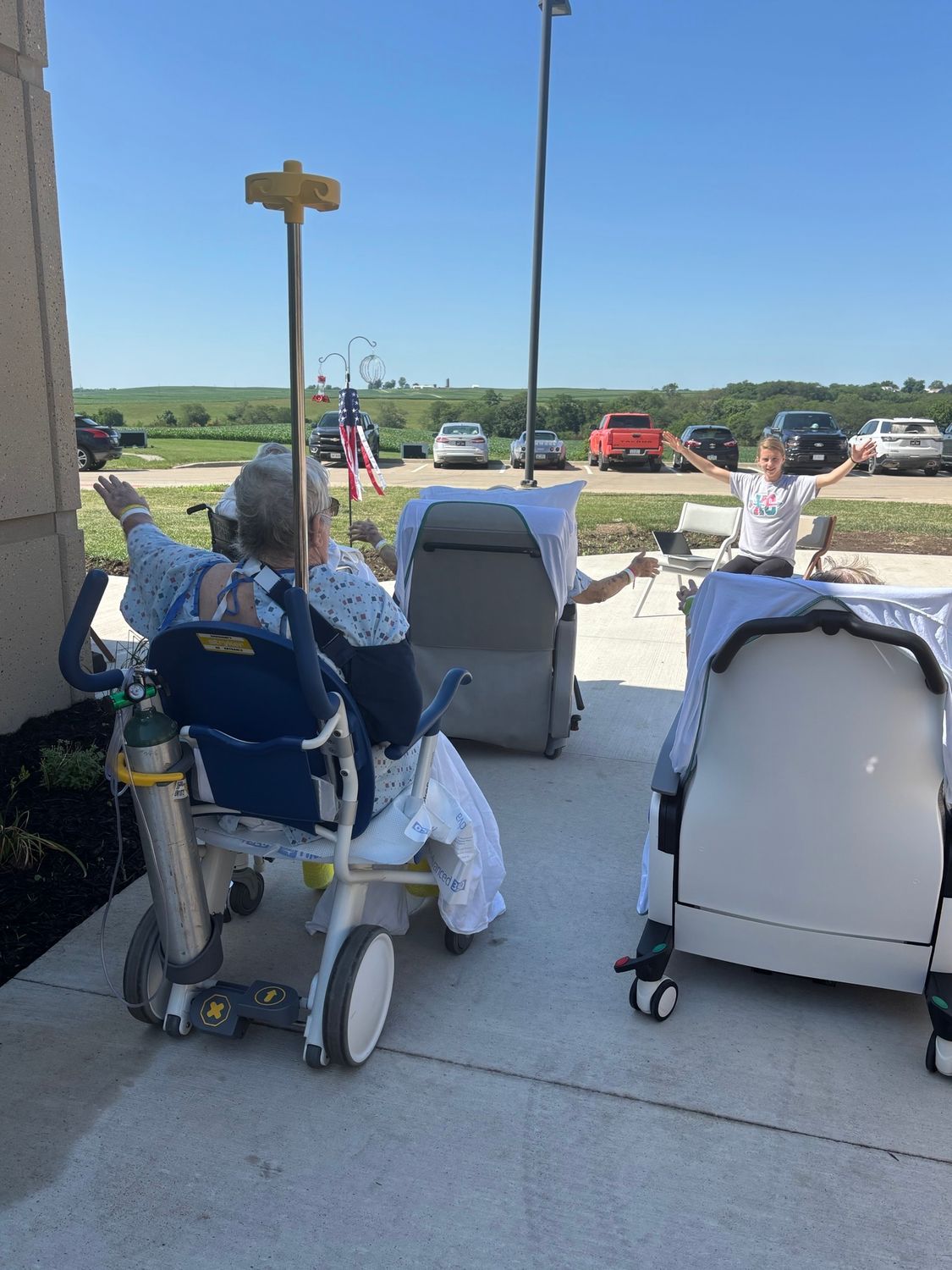
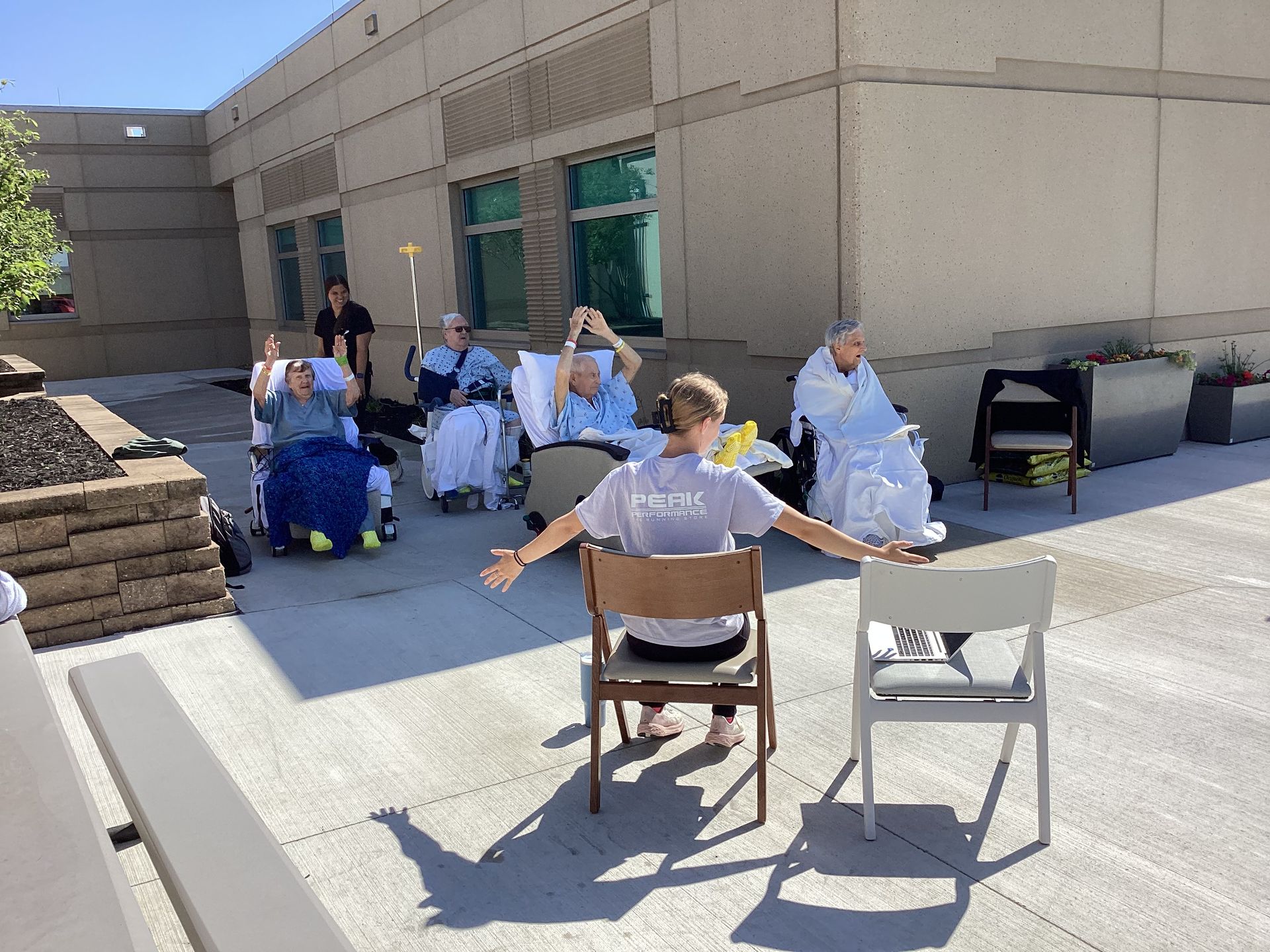
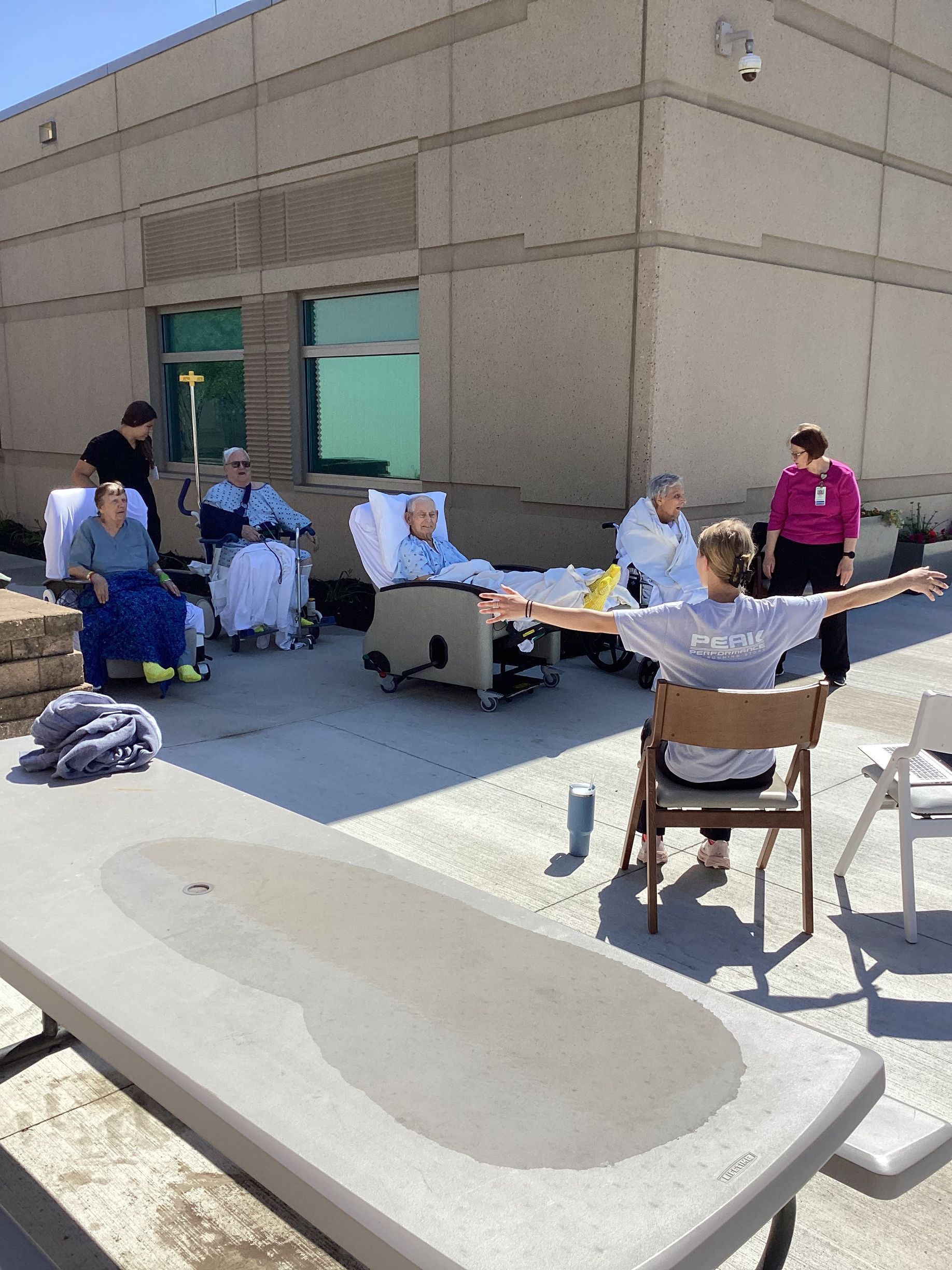
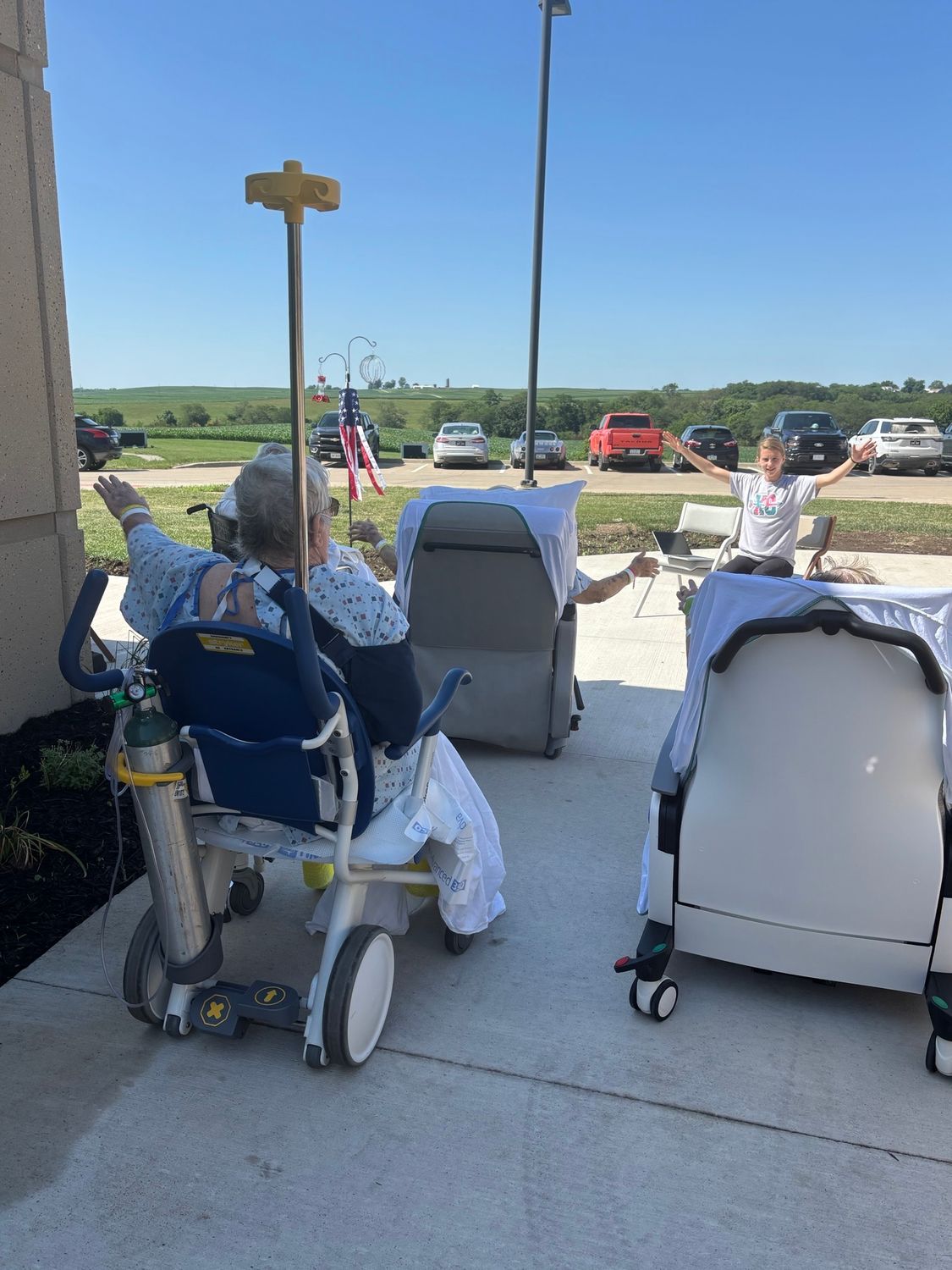
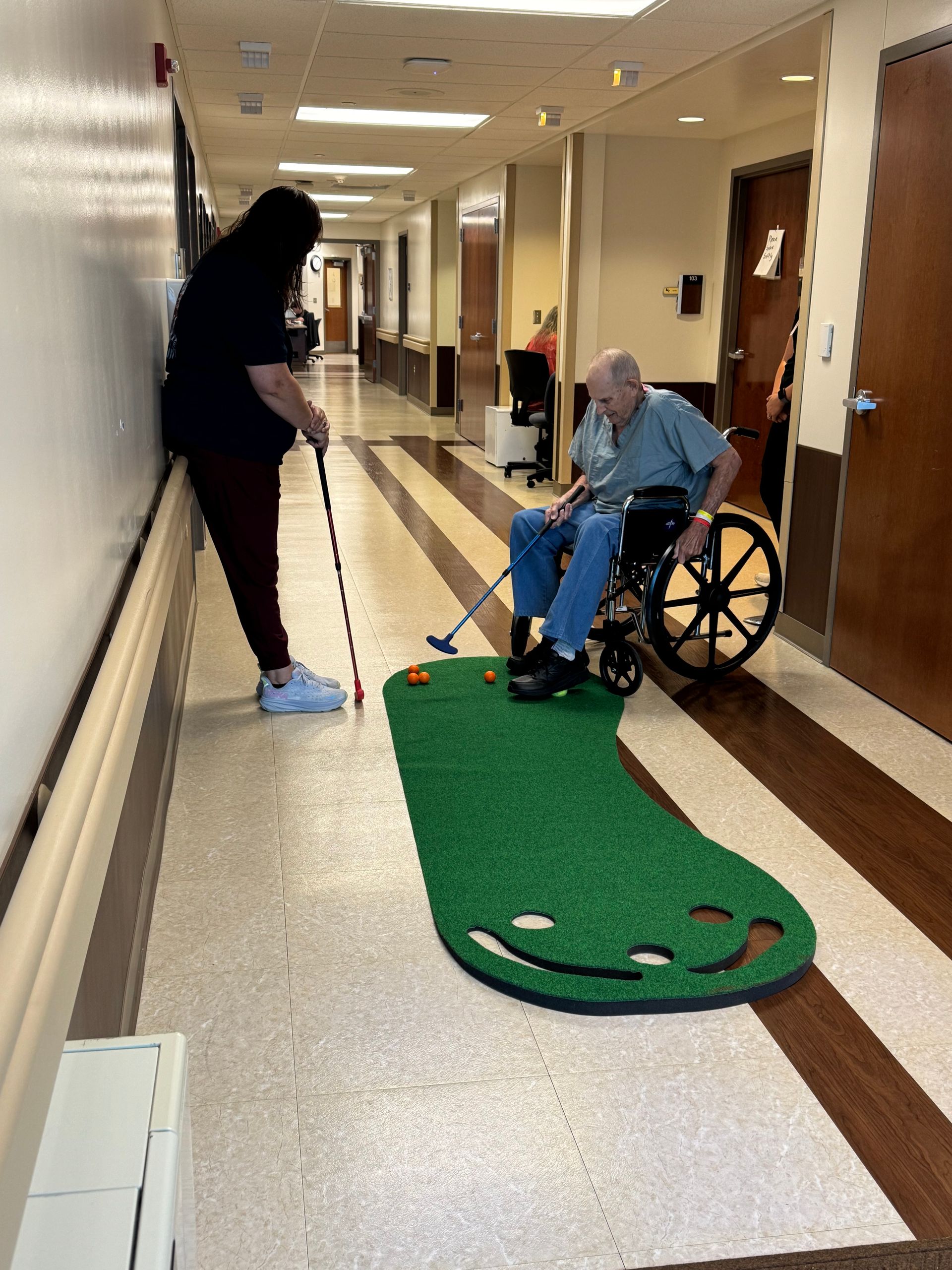
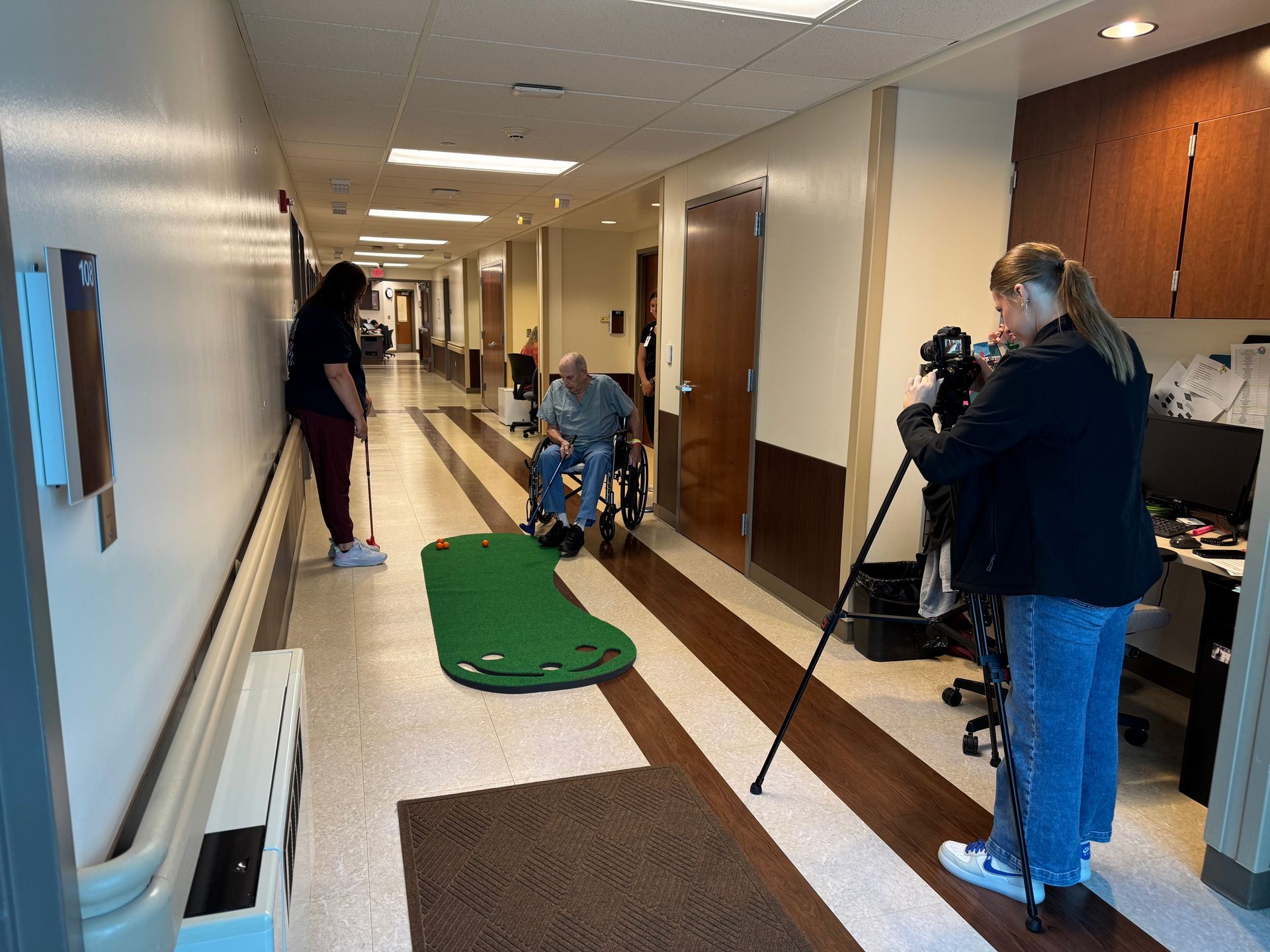
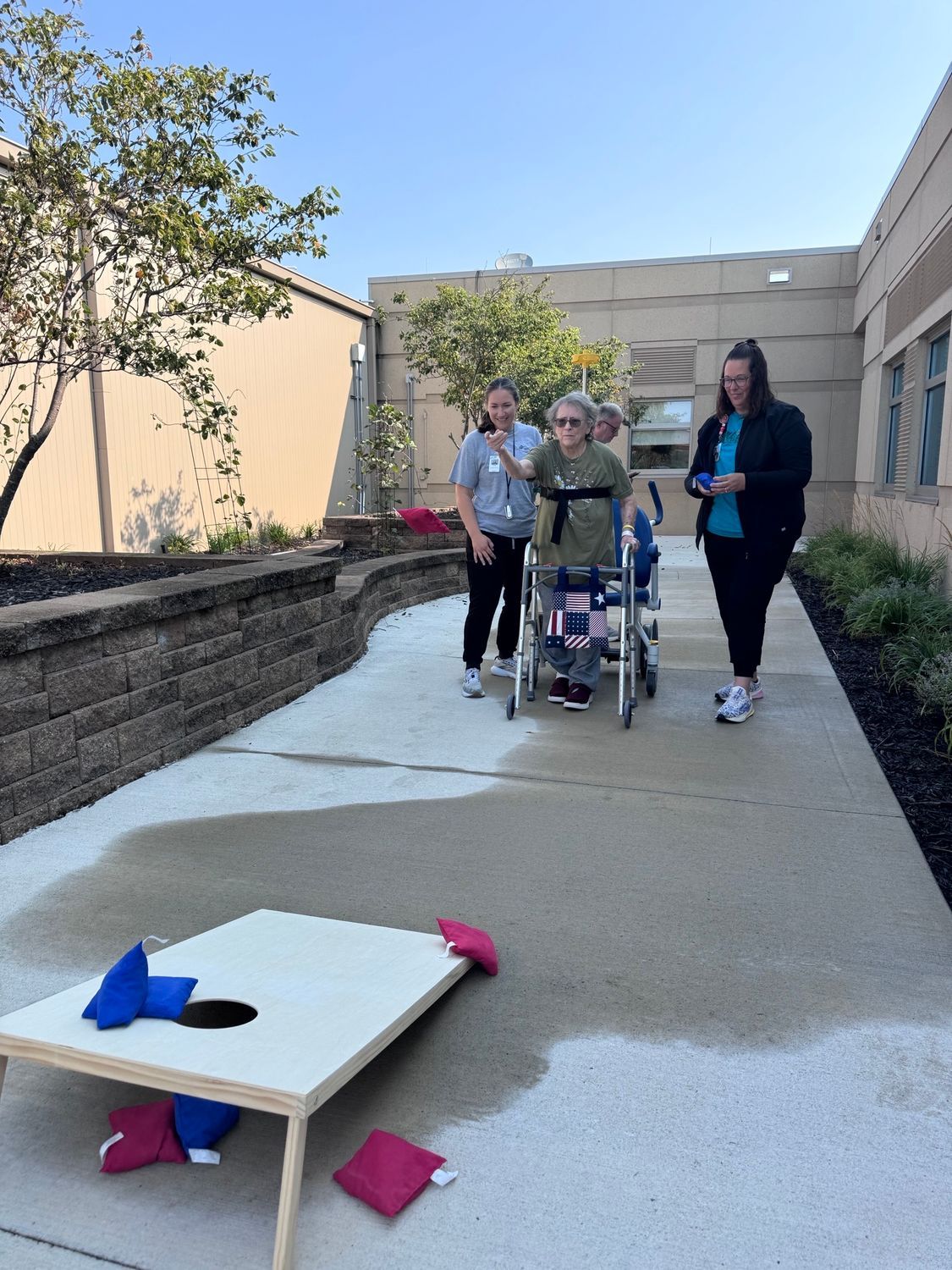
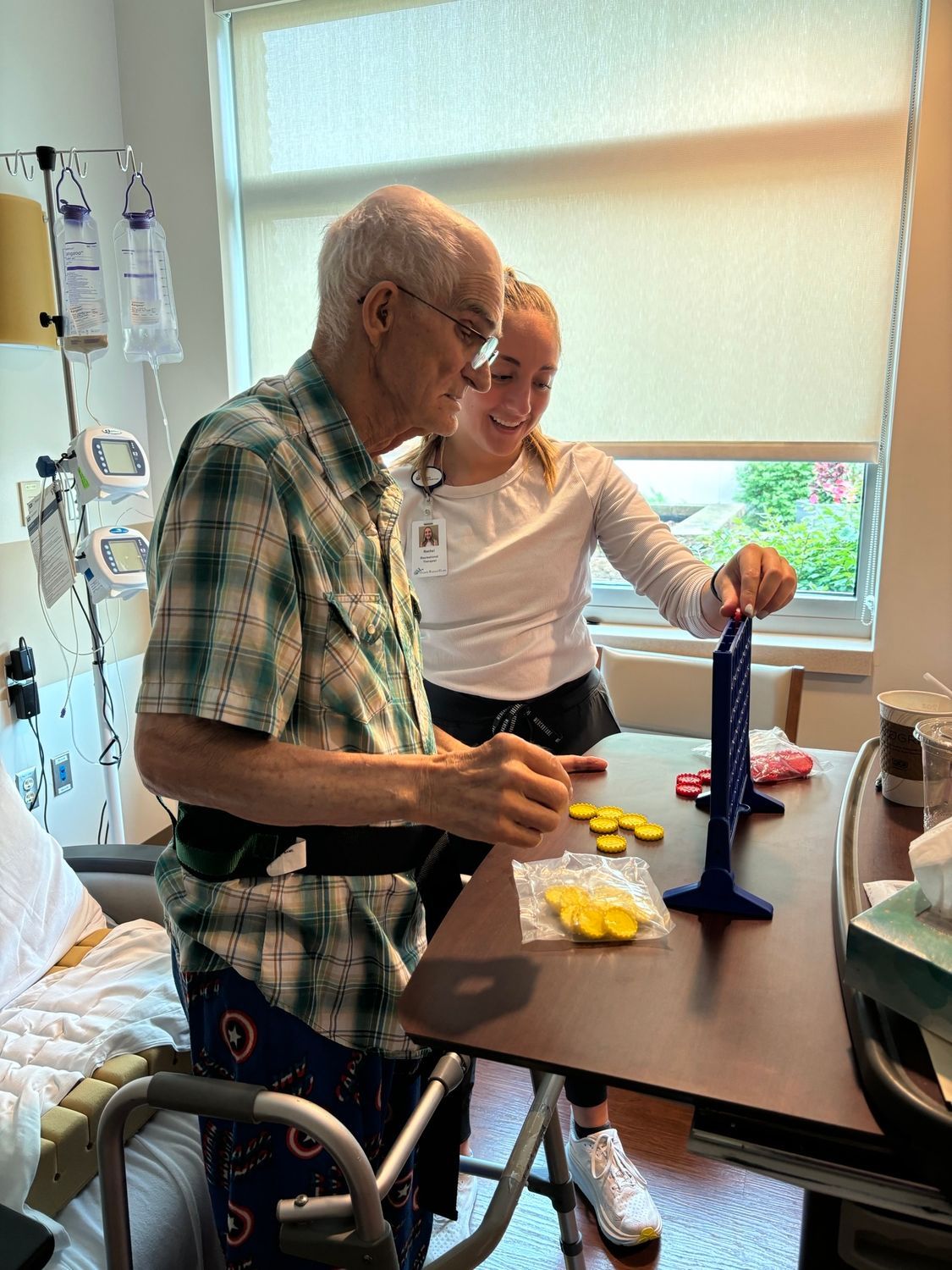
Watch our Spotlight on Transitional Care
Other CRHC Services


Transitional Care FAQs
Why are there different names for the same program?
Although the terms can sound different, they refer to the same type of care.
At Clarinda Regional Health Center, our Transitional Care Program is covered under the same Medicare benefit as “Skilled Care” in a long-term care facility. However, because CRHC is a Critical Access Hospital, this benefit is known as the “Swing Bed Program.”
We use the name Transitional Care because it reflects what truly sets our program apart — a focus on teamwork, communication, empowerment, and collaboration between patients, families, and our healthcare team. Every aspect of care is designed to help you successfully transition from hospitalization to your next destination, whether that’s home or another care setting.
At CRHC, Transitional Care isn’t just about recovery — it’s about confidence, comfort, and continuity on your journey to wellness.
Is Transitional Care covered by my insurance plan?
Medicare Coverage
Medicare typically covers swing bed care at 100% for up to 20 days following a qualifying three-night inpatient stay, provided skilled care criteria are met. After that, coinsurance may apply through day 100, depending on your individual plan.
Other Insurance Coverage
If you’re not covered under Medicare, don’t worry — your insurance may include swing bed benefits, and our team is here to help you find out! At Clarinda Regional Health Center, we understand that every plan is different, and we’ll work directly with your insurance provider to verify your coverage and explain your options before admission.
Whatever your insurance is, our knowledgeable staff can guide you through each step — from confirming eligibility to understanding any out-of-pocket costs — so you can focus on your recovery, not the paperwork.
Let us handle the details. Call us today, and we’ll help you make the most of your benefits.
How is Transitional Care different from the care received at a Skilled Nursing Facility or nursing home?
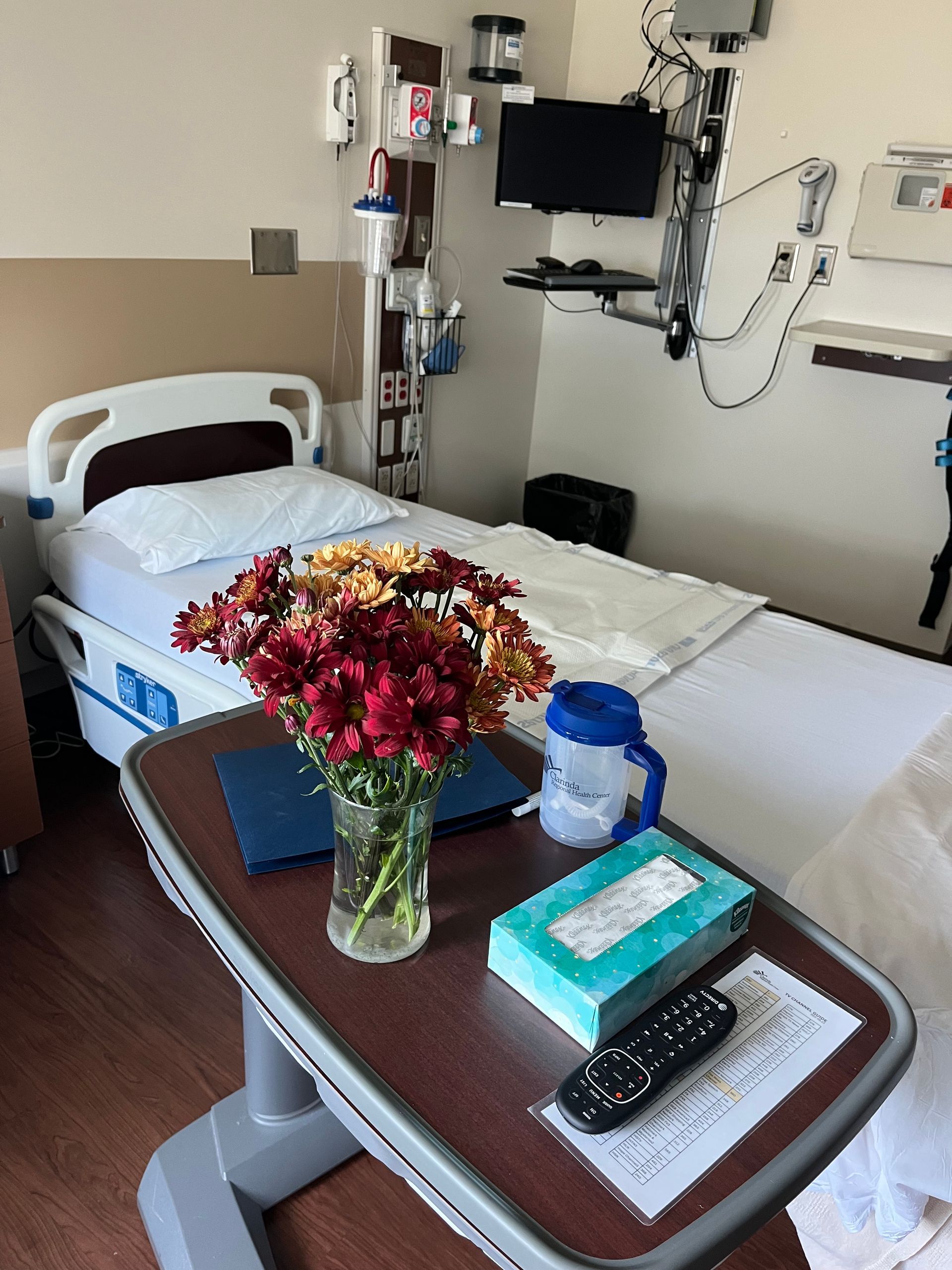
Transitional Care at Clarinda Regional Health Center combines the comfort of skilled nursing with the safety, technology, and medical expertise of a hospital setting. Unlike a nursing home or traditional Skilled Nursing Facility (SNF), our Transitional Care program is designed for short-term recovery following an illness, injury, or surgery—helping you regain strength and independence before returning home.
Here’s what makes our Transitional Care different:
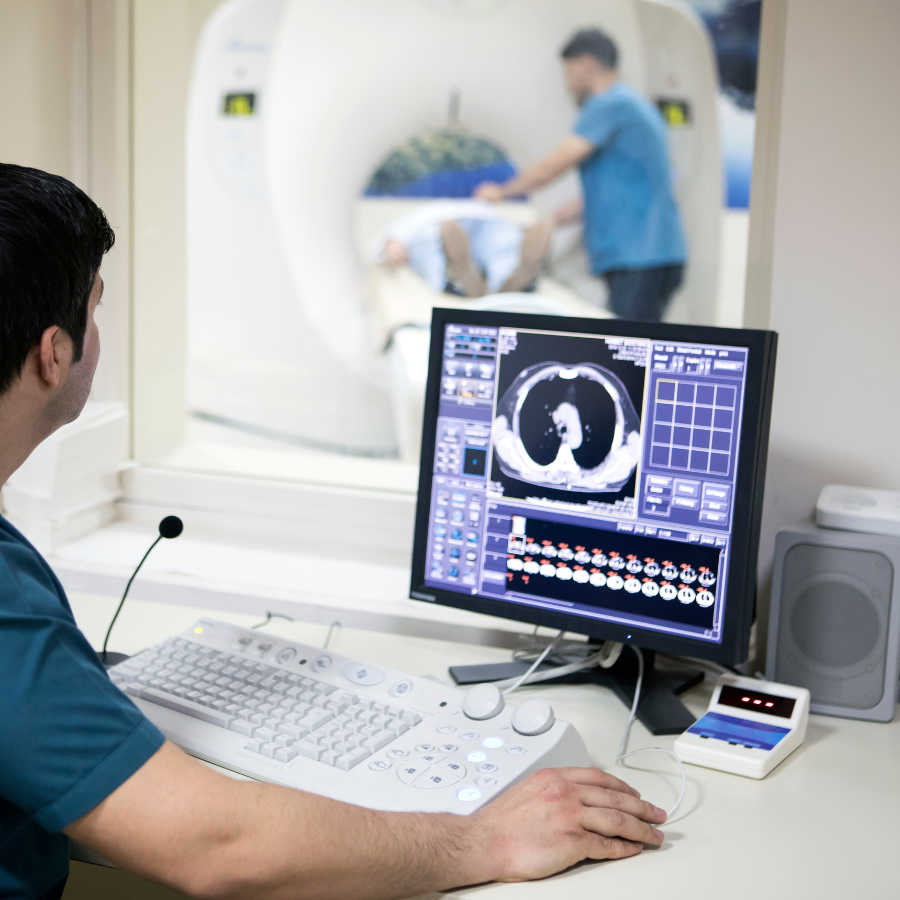
- Hospital-based care: You remain under the supervision of hospital-based nurses, therapists, and providers with immediate access to diagnostic testing, pharmacy, and specialty services.
- Faster access to medical support: Any change in condition can be addressed right away without transferring to another facility.
- Individualized therapy plans: Our rehabilitation team develops a plan tailored to your goals, helping you recover safely and return home sooner.
- Short-term focus: Transitional Care is meant to bridge the gap between hospital and home—not long-term residence—so every service is centered on recovery and independence.
At Clarinda Regional Health Center, Transitional Care means exceptional recovery in a healing environment you already know and trust.
How long do patients typically stay in Transitional Care?
The length of stay in Transitional Care depends on each patient’s recovery goals and medical needs. On average, most patients stay 10 to 14 days—a period that is typically up to two-thirds shorter than stays in a traditional Skilled Nursing Facility.
Medicare generally covers up to 100 days of Swing Bed services when a patient has a qualifying hospital stay and continues to meet daily skilled care requirements. Our team works closely with you, your family, and your providers to ensure you receive the right level of care for the right amount of time—helping you recover safely and return home with confidence.
At Clarinda Regional Health Center, Transitional Care is designed for exceptional recovery — combining hospital-level expertise, compassionate support, and personalized rehabilitation to help you regain strength and independence faster.
Source: Centers for Medicare & Medicaid Services (CMS), Post-Acute Care Data, 2024.
What should I bring for myself or family members when admitted to transitional care?
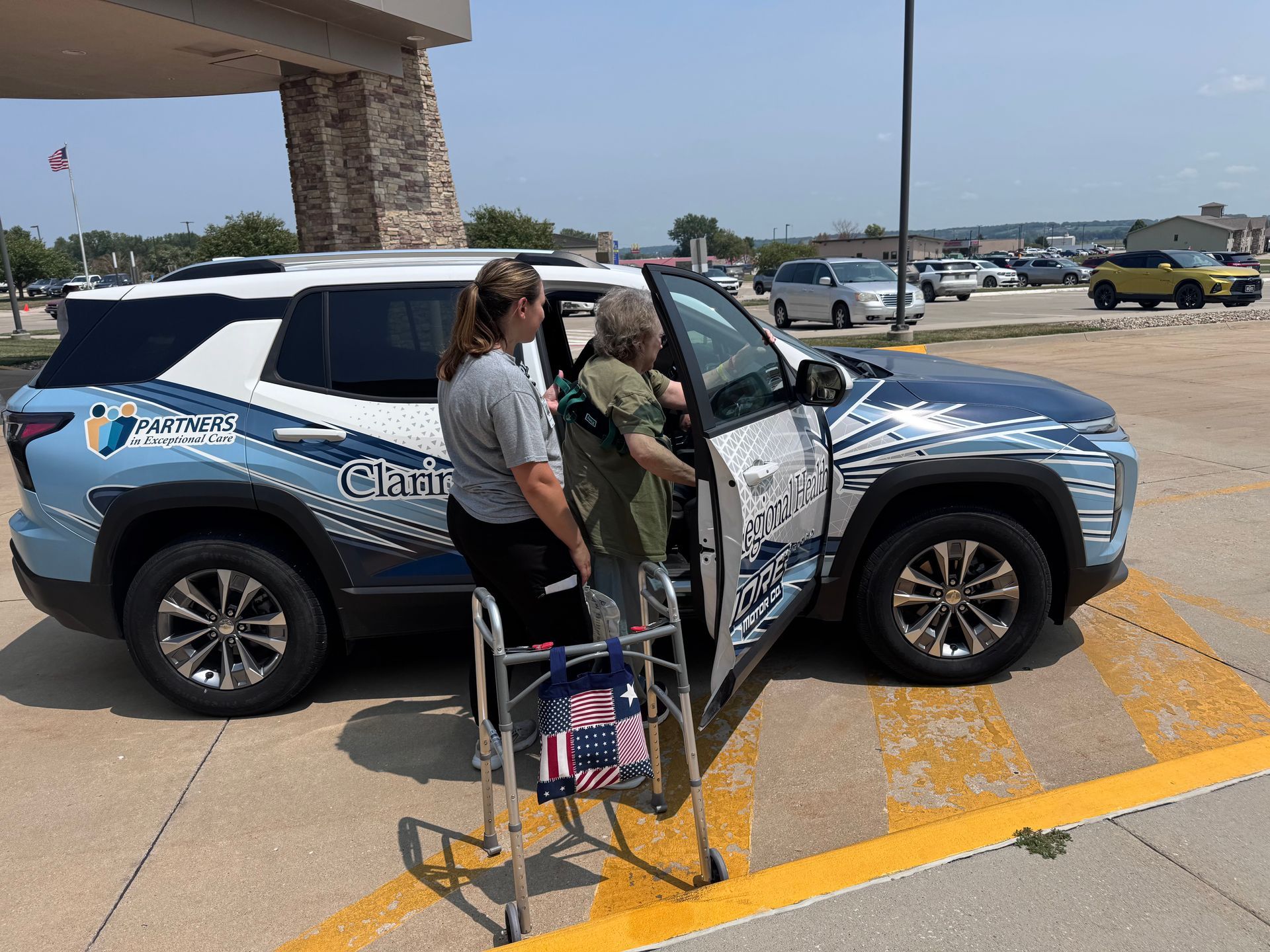
Any assistive devices and/or adaptive equipment used at home. Therapy will use your equipment during sessions and evaluate if you need something else or if it may need to be adjusted.
I know someone staying at your hospital. Can I mail them a card?
Send a Greeting CardAbsolutely. We offer a convenient way to get a card to our patients directly through our website! Use the link below to fill out the form and a card with your message will be hand-delivered to the patient within 1 business day.