Pain Management

Living with pain doesn't have to be your normal.
Find relief from chronic neck, back, joint, and nerve pain with personalized, minimally invasive treatment options at Clarinda Regional Health Center.
What is Pain Management?
Chronic pain can affect every aspect of your life... from work and sleep to hobbies and time with family. Pain management focuses on identifying the source of your pain and creating an individualized treatment plan designed to reduce discomfort, improve movement, and help you return to the activities you enjoy. Our experienced Pain Management Provider, Kip Anderson, CRNA, has a patient-centered approach and is committed to helping patients regain function. Take the first step toward pain relief. Don't let chronic pain keep you from living the life you enjoy. Request an appointment with your primary care provider to address your concerns!
Is Pain Management Right for You?
You may benefit from pain management services if you have:
► Pain lasting more than several weeks
► Specific areas of pain in your neck or lower back
► Pain radiating into your arms or legs
► Sciatica
► Tingling or numbness
► Pain after shingles
► Pain limiting or preventing you from work or hobbies
► Pain not improving with medication or physical therapy
Conditions & Areas We Treat
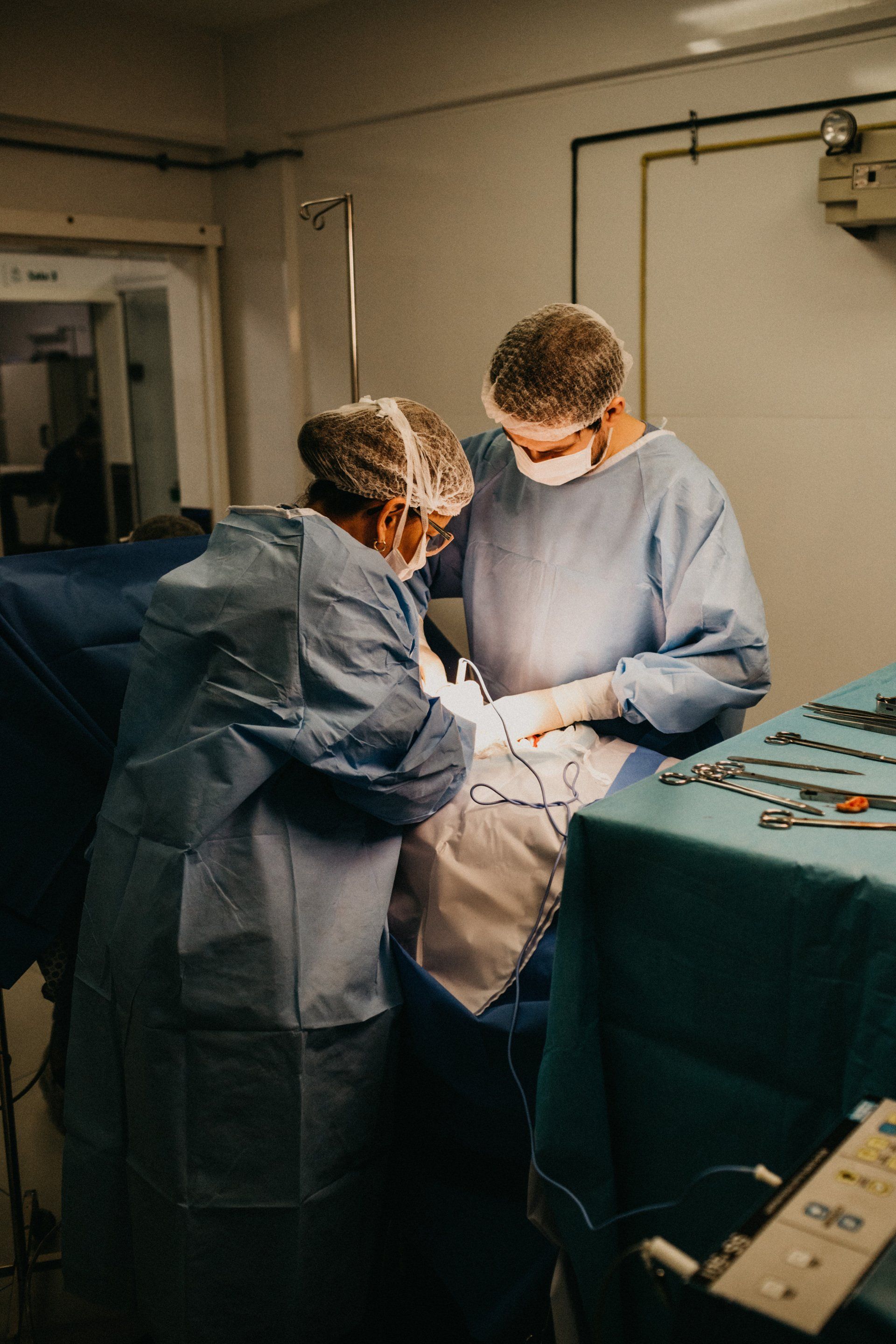
Every patient's pain is different. After a thorough evaluation, Kip will recommend the treatment option best suited to your condition, symptoms and treatment goals. Many procedures are performed on an outpatient basis, allowing you to return home the same day.
Neck
- Neck Pain
- Cervical Radiculopathy
Spine & Back
- Lower Back Pain
- Herniated Disc
- Spinal Stenosis
- Facet Joint Pain
- Pelvic or Tailbone Pain
Nerve Pain
- Sciatica
- Postherpetic Neuralgia (Shingles)
- Nerve-related pain
- Headaches or postherpetic neuralgia
Other
- Pain affecting the arms or legs
- Trochanteric Bursitis
- Muscle Spasms
- Chronic muscle tightness
- Complex regional pain
Here are a few other helpful resources for our new pain management patients:
Treatment Options
Many treatment options are available depending on your diagnosis or the type of pain you experience. Our team will work with you to choose a treatment that helps reduce your pain so you can return to doing the things you enjoy!
Epidural Steroid Injections (ESIs)
Reduce inflammation around irritated spinal nerves to relieve neck, mid-back or lower back pain.
Available procedures include:
- Cervical Epidural Steroid Injection
- Thoracic Epidural Steroid Injection
- Lumbar Epidural Steroid Injection
- Transforaminal Epidural Steroid Injection
- Selective Nerve Root Injection
- Cervical Epidural Steroid Injection
Facet Joint & Medial Branch Procedures
Facet joints are small joints in the spine that can become painful due to arthritis or wear and tear. These injections and nerve blocks help both diagnose the source of pain and provide relief.
Available procedures include:
- Facet Joint Injections
- Lumbar Facet Joint Injections
- Lumbar Medial Branch Blocks
- Facet Joint Injections
Radiofrequency Ablation (RFA)
When certain nerves continue sending pain signals long after they should, radiofrequency ablation uses controlled heat to interrupt those signals. Relief may last 3 months to 3 years, and pain may return due to nerves regenerating over time.
Available procedures include:
- Lumbar Radiofrequency Ablation
Sacroiliac (SI) Joint Injections
Pain doesn't always come from the spine itself. The sacroiliac joints connect the pelvis and spine and can become inflamed or irritated. SI joint injections reduce inflammation and can help confirm whether the joint is the source of pain.
Available procedures include:
- Sacroiliac Joint Injection
- Lumbar Sacroiliac Joint Injection
- Sacroiliac Joint Injection
Trigger Point Injections
Trigger points are tight, painful muscle knots that may develop after injury, overuse or chronic muscle tension. Trigger point injections can relax these muscles and reduce pain while improving mobility.
Often used for:
- Muscle spasms
- Neck pain
- Shoulder pain
- Upper back pain
- Chronic muscle tightness
- Muscle spasms
Nerve Blocks
Nerve blocks involve placing medication around specific nerves to temporarily interrupt pain signals. These procedures can help relieve pain while also helping identify the exact source of discomfort.
Available procedures include:
- Selective Nerve Root Block
- Lumbar Sympathetic Nerve Block
- Stellate Ganglion Block
- Ganglion Impar Block
- Sphenopalatine ganglion block
Why Choose CRHC?
✔ Local care close to home
✔ Experienced pain management provider
✔ Personalized treatment plans
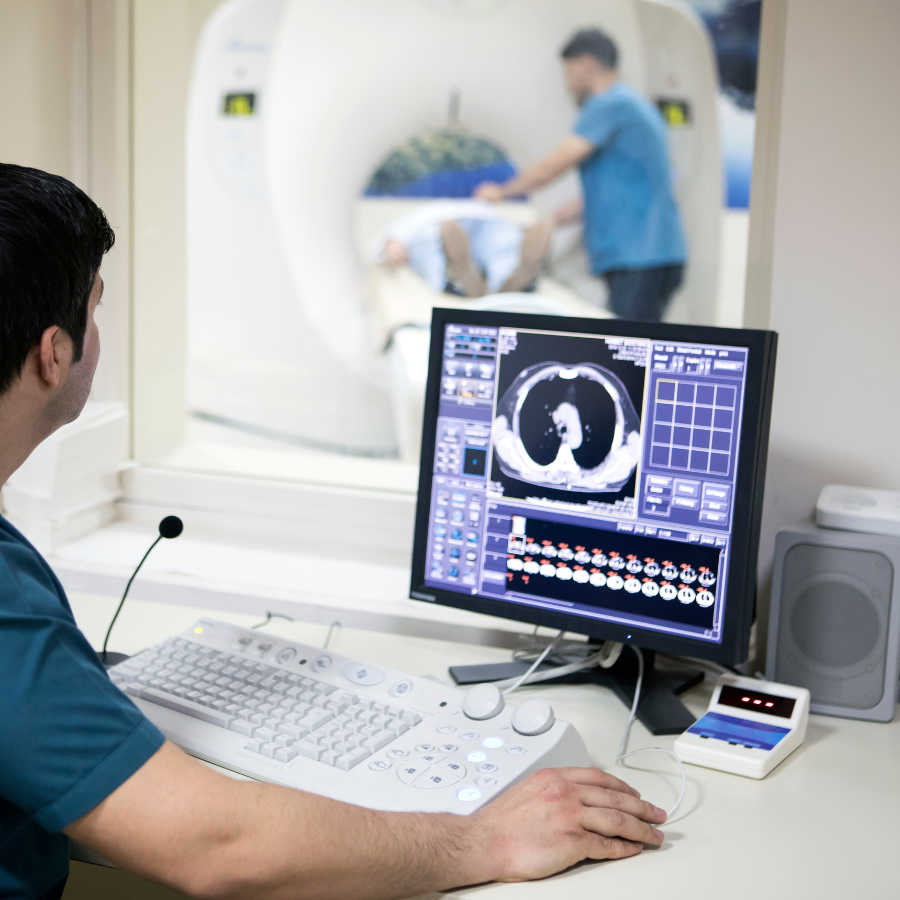
✔ Advanced image-guided procedures
✔ Convenient outpatient care
✔ Coordinated care with your primary provider